

























































Arizona has seen a ray of hope with its improving drought situation and rising lake levels. Following a dry start to the winter, a series of recent storms has alleviated some of the drought conditions plaguing the state. According to Tim Skarupa from Salt River Project (SRP), "With the storms on the way, it's definitely going to improve, and our runoff forecast has increased because of the potential storm," as detailed in a statement obtained by ABC 15. Nearly two-thirds of Arizona, however, remains under some level on drought. This marks an improvement from early 2023 when the figure stood closer to 80%.
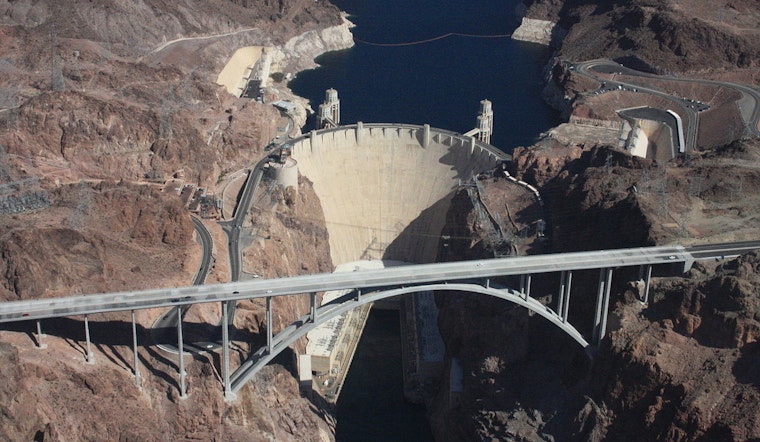
The recent uptick in reservoir levels for Salt and Verde river systems exceeds last year's average, even though precipitation was less. On the flip side, the Colorado River snowpack, vital to the region's water supply, is 4% below average, a minor dip but still a concern. Contrast this with the same time last year, when the snowpack was a bountiful 28% above average. Lake Mead, a barometer for the region's water health, has seen its water levels increase to 1,073 feet, a peak not observed since 2021, as reported by ABC 15.
These climatic challenges do not erase the broader issues of water management and sustainability that loom over the state. Nearly half of Arizona's water comes from the Colorado River, distributed through the Central Arizona Project (CAP) canal, supplying essential water to a variety of sectors. However, the rapid decline of Lake Mead due to drought and overuse indicates a critical need for strategic planning. An article from American Rivers emphasizes the importance of implementing the Drought Contingency Plan (DCP). This agreement, involving states along the Colorado River, aims to ensure sustainable water usage and a collective effort to conserve water levels in Lake Mead.
Implementing the DCP is crucial because, without it, Arizona faces a real threat of mandatory cutbacks, hitting the agriculture and development sectors hard. The plan also encourages conservation and establishes a framework for voluntary water exchanges to minimize reductions. California would for the first time share in water reductions, symbolizing a unified regional approach. Beyond the DCP, Arizona is considering additional measures to further secure its water reserves and manage consumption, as outlined in a statement obtained by American Rivers.
While the improved weather conditions serve as a short-term blessing, the dialogue around the DCP suggests that for Arizona, the fight against drought and water scarcity is a relentless and ongoing battle. The pact is not yet a done deal, but finalizing it is a pivotal moment for protecting Lake Mead and ensuring the vitality of Arizona's economy and natural heritage. It will require residents, businesses, and governments to recognize their shared stake in a sustainable water future and act decisively to preserve the Southwest's precious resources.



