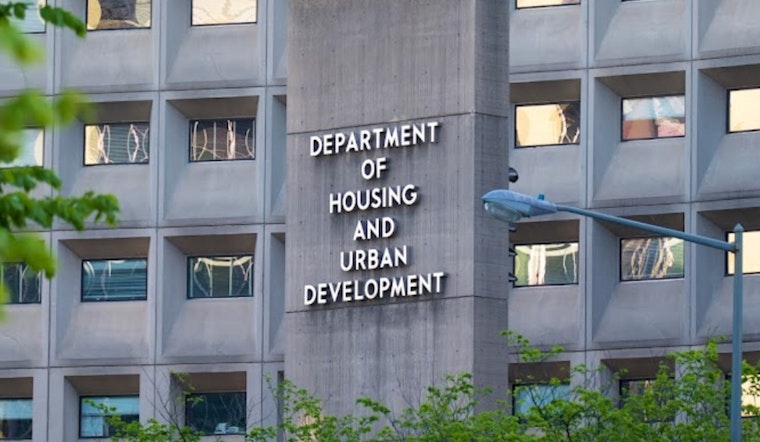
Boston's fight against homelessness just received a hefty financial infusion, with Mayor Michelle Wu announcing the largest ever Continuum of Care grant. Totalling over $47 million dollars, the funding from the U.S. Department of Housing and Urban Development (HUD) is designated for 18 nonprofit groups tirelessly working to aid the city's homeless population, according to a city release.
The federal HUD dollars will bolster efforts providing a spread of vital services from housing searches to the establishment of housing for long-term homeless people and the stabilization services to aid newly housed families and individuals in maintaining their residences these funds are critical for nearly 1,900 homeless and previously homeless households, as stated by Mayor Wu. "Boston residents and families in every neighborhood deserve the opportunity to reside in secure, stable, and affordable housing," Mayor Wu argued, emphasizing that these grants underscore the city's resolve to make Boston a place where everyone has a home.
Since 2015, Boston has seen its Continuum of Care funding more than double, a testament to the city's competitive applications and the effectiveness of its partnerships with service providers. Sheila Dillon, Chief of Housing, made clear the significance of the award in light of the region's soaring housing costs, saying, “This funding award allows us to continue the important work of moving our homeless residents from shelters and the street into housing that they can afford with the services they need to be successful." Among the recipients of the new funds are Hildebrand Family Self-Help, Inc., Justice 4 Housing, and Victory Programs, which focus on creating permanent support for families, aiding survivors of domestic violence, and assisting LGBTQ+ youth, respectively.
In the grand scheme, the allocation is a strategic push forward in the city's 'housing first' approach to tackling homelessness, a philosophy grounded in the belief that access to permanent housing is a right for all; furthermore, in 2023 alone, Boston housed more than 2,200 people experiencing homelessness, including scores of family households, individual adults, unaccompanied youth and veterans, highlighting the urgency and impact of such funding on those grappling with the complexities of chronic homelessness compounded by physical disabilities, substance use, and mental health disorders. HUD New England Regional Administrator Juana Matias lauded the collaborative efforts that make these grants a reality, asserting, "We will continue to work together with our Continuum of Care partners to find solutions that ensure every Bostonian has a safe place to call home."
The overarching goal, Mayor Wu insists, remains clear: ending homelessness in Boston. This substantial federal support, the city hopes, will pave the way for a sustainable resolution to the plight faced by the homeless in the city — a cause for which the Mayor extends her thanks to the Biden-Harris Administration and HUD. As Boston endeavors to rewrite the narrative of those struggling in its streets, the message resounds with a staunch commitment to a future where every individual has the dignity of a home.