

























































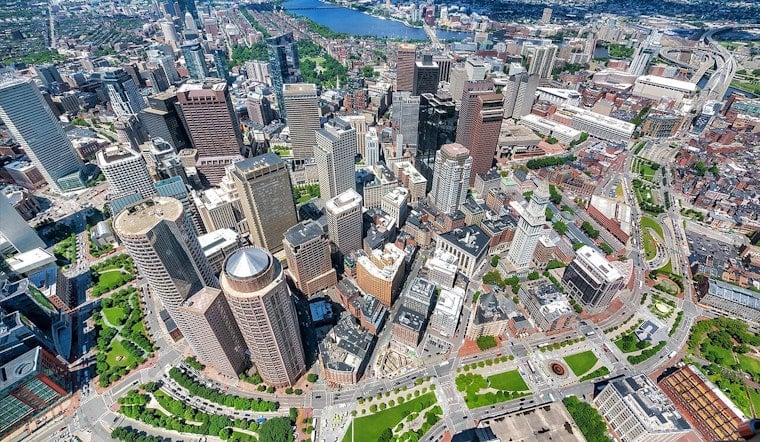
The Rose Kennedy Greenway, the 1.5-mile ribbon of parkland that replaced an elevated downtown freeway in Boston after the Big Dig, has been recognized as an official arboretum. The Rose Kennedy Greenway Conservancy announced on May 26, 2026, that the park earned Level I Accreditation through the ArbNet Arboretum Accreditation Program and The Morton Arboretum, marking a formal scientific recognition of the biodiversity the corridor has built over the past two decades.
As reported by Bloomberg, the milestone arrives roughly twenty years after the Big Dig freed up the downtown land that now hosts the park. ArbNet, coordinated by the Morton Arboretum in Illinois, sets professional standards for botanical collections, and according to the Rose Kennedy Greenway Conservancy, a site must maintain a documented collection of at least 25 species or kinds of trees, establish a formal organizational leadership structure, offer public access, and execute a defined tree care plan to earn Level I status.
The Greenway's living tree collection now includes nearly 900 trees across 17 acres, per the Conservancy, with signature plantings such as a Washington elm, a yellow magnolia allée, seven dogwood species, and conifers like lacebark pine and Japanese white pine. The park winds through Chinatown, the Financial District, and the North End, stitching together neighborhoods that were once physically divided by an elevated highway.
An Elevated Freeway Torn Down for Green Space
The Greenway sits on land freed by Boston's Central Artery/Tunnel Project, better known as the Big Dig, which placed Interstate 93 underground between 1991 and 2007 at an ultimate construction cost exceeding $14.8 billion, according to MassDOT. The elevated highway that previously ran through downtown Boston carried roughly 200,000 vehicles per day and divided the city from its waterfront, the agency notes.
The Rose Fitzgerald Kennedy Greenway Conservancy was founded as an independent non-profit in 2004 and manages the linear park under a long-term lease agreement with the Massachusetts Department of Transportation, per the Federal Highway Administration. MassDOT retains ownership of the highway cap parcels while delegating day-to-day park operations and programming to the Conservancy. The Conservancy funds its budget through a multi-party agreement that draws on state contributions from MassDOT, City of Boston funds, private donations, and assessments from a Business Improvement District that levies fees on commercial properties within one block of the park.
Organic Upkeep Behind the Arboretum Designation
The horticultural practices behind the new designation set the Greenway apart from most American urban parks. It is maintained 100% organically, without synthetic fertilizers, pesticides, or chemical weed killers, relying instead on custom compost tea brews, aeration, and regular soil testing to prevent harbor pollution, according to the Conservancy.
The park's ecological footprint extends beyond its tree canopy. A continuous Pollinator Ribbon established in 2016 links urban wildflower meadows and hives housing docile Italian honeybees from Chinatown to the North End, with hives at Cross and Commercial streets providing habitat for regional pollinators, the Conservancy says.
New Infrastructure Extends Park Access Into Winter
On August 11, 2026, the Healey-Driscoll Administration completed new lighting, electrical, and permeable pathway upgrades along the Greenway between Seaport Boulevard and Dewey Square. The improvements will allow key park sections to stay open during winter for the first time since 2008, since the previous stone-dust paths could not be safely cleared of snow and ice, according to Mass.gov.
The Greenway's transformation has also become a reference point well beyond Boston. The 1.5-mile corridor serves as a national benchmark for freeway-cap parks, inspiring similar urban highway-deck greening proposals in cities across the country, as Hoodline has previously reported, noting that cities like Sacramento cite the Greenway when applying for federal grants to reconnect downtowns divided by highways.





