

























































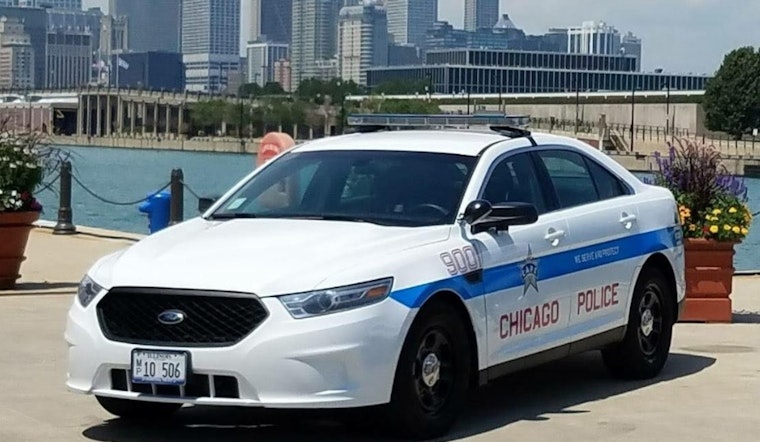
In a move that's caused a bump in the road for police discipline cases in Chicago, a Cook County judge has granted a temporary restraining order that puts the brakes on all proceedings before the Police Board. The decision, handed down by Judge Michael Mullen, comes as a win for the city's largest police union which has been pushing for cases to be heard by an arbitrator instead, and behind closed doors no less.
Hours after allies of Mayor Brandon Johnson postponed a pivotal City Council vote—a maneuver seen as a play for time when the required majority was in doubt—Judge Mullen took after action, putting all misconduct hearings on ice until at least Feb. 24. The council is expected to revisit and potentially vote on the controversial arbitration ruling at their Feb. 16 meeting, according to Chicago Business.
The debate centers on whether severe disciplinary cases against police officers, including suspensions over a year or dismissals, should bypass the Police Board altogether. The implications of this decision are not lost on anyone, with Officer Eric Stillman's case being among those affected. Stillman, the officer involved in the fatal shooting of 13-year-old Adam Toledo back in April 2021, was due before the police board on Feb. 5, as reported by the Chicago Sun-Times.
FOP President John Catanzara has been vocal in his support of the arbitrator's ruling, going as far as to call out the mayor, saying "I dare you to show up, mayor," in reference to the court hearing. Meanwhile, the City's Law Department has expressed acceptance of the judge's decision, hoping for a clear path forward once the City Council casts its vote. "We respect the judge’s ruling pending the outcome of our arbitration dispute," said a city spokesperson in a statement released after Mullens' order.
The battle over transparency and the handling of police misconduct cases illustrates the high-stakes tug-of-war between the wants of the police union and the cry for accountability from the community and city officials. The City Council's vote, now scheduled for mid-February, may very well determine whether the city of Chicago continues its push for police reform or reins it in, depending on which side of the aisle the council members land on as the chess pieces of local government move into a next phase.





