

























































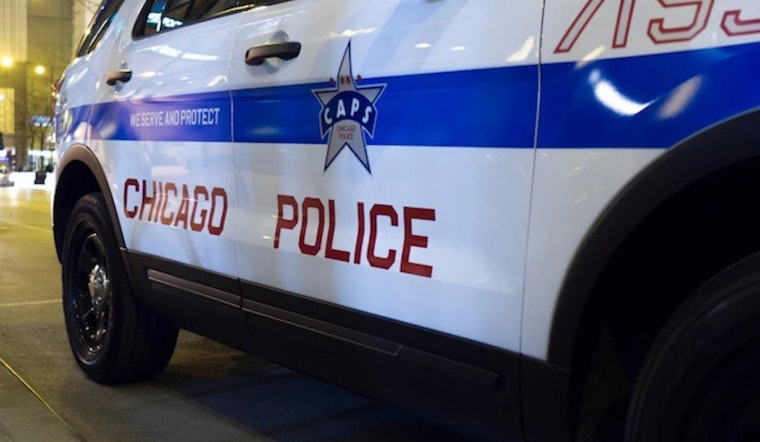
The streets of Albany Park will see increased police presence as the Chicago Police Department gears up for a DUI Saturation Patrol starting on Friday, Feb. 9 at 6 p.m., and running through early Saturday morning. The operation, which is not just looking for impaired drivers but also targets speed, seat belt, and other safety-related violations, comes after a similar initiative in the 11th District netted 41 citations yet surprisingly resulted in no DUI arrests.
DUI Saturation Patrols are structured to blanket a predetermined area with patrols on the lookout for erratic driving, the initiative also involves checking for insurance and vehicle violations and this weekend's operation goes on until 2 a.m. Saturday, the department said in a statement. Among the tools at the disposal of officers is the Breath Alcohol Testing (BAT) Mobile Unit, which speeds up the process of DUI charges and even allows for Individual Recognizance Bonds to be issued at the scene.
According to an announcement from the Chicago Police Department, the previous patrol in the Harrison District yielded a total of 41 citations that encompassed unsafe vehicle violations and documentation irregularities, such as no driver’s license, license violations, and insurance issues. Notably, zero DUI, open liquor, child seat, and distracted driving violations were reported during that time, implying a possible deterrent effect of the police presence or a gap in detection.
This weekend's campaign follows on the heels of these results and comes with substantial enforcement technology; speed detection and the BAT Mobile Unit are equipped to catch and process offenders on the spot. Vehicles found in violation could potentially be towed, although the previous patrol reported no such actions. Publicized patrols like these aim not just to apprehend but to prevent, hinting at an underlying strategy of deterrence as much as enforcement—keeping the streets safer for residents and commuters alike.





