

























































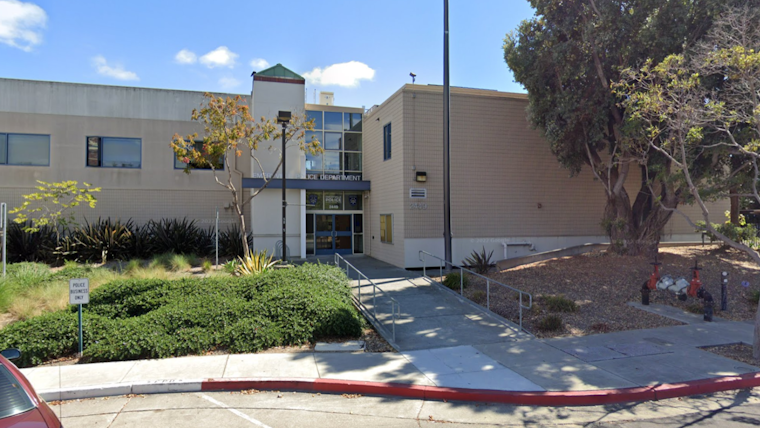
In a sting operation that has local retailers on edge, the Emeryville Police Department, in collaboration with the California Department of Alcoholic Beverage Control (ABC), has slapped citations on two clerks for selling booze to underage customers. The crackdown unfolded on February 13th, sending a stark message just a day before Valentine's festivities, as reported by the Emeryville Police Department. Minors, under the watchful eyes of law enforcement agents, were dispatched on a covert mission to test the compliance of six retail licensees within the city limits.
The unfortunate clerks, who apparently took the bait, now face fines starting at $250 and are mandated to serve the community for 24 to 32 hours. Not only has their day been soured, but their employers are also staring down the barrel of various penalties from ABC, which might range from costly fines to the extreme measure of a license yank, as ABC Director Joseph McCullough underscored the importance of checking IDs rigorously, “Businesses should always check IDs of youthful customers before selling alcohol,” he said.
Chief Jennings of the Emeryville Police was clear about the intentions behind these operations, intending to curb the rise of underage drinking and enhance safety as per the report. With the reckless abandon of youth colliding with alcohol, the National Highway Traffic Safety Administration (NHTSA) warns that a sobering 25 percent of fatal crashes rope in underage drinking.
Since the 1980s, California has used Minor Decoy operations as a tactic to ensure retailers don't serve alcohol to minors. In what seemed an uphill battle, initial violation rates were staggering, hitting heights of 40 to 50 percent. However, consistent enforcement has tamed these figures below 10 percent in some municipalities, showcasing the program's efficacy. The state's highest court lent its full backing in 1994, affirming the legality of this method to uphold the law, according to information from the police department.
Underpinning this crackdown is a grant from the California Office of Traffic Safety, funneled through the National Highway Traffic Safety Administration, giving the program financial legs to maintain its stride in the long-running battle against youthful indiscretions with alcohol.





