

























































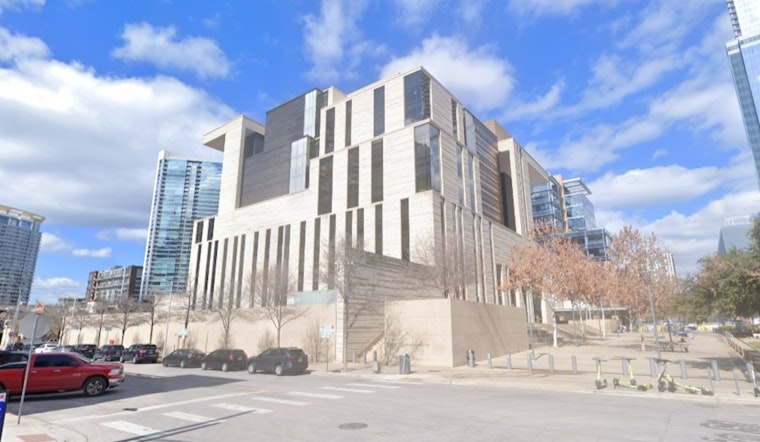
In a pivotal court showdown, a federal judge is set to scrutinize a contentious Texas statute granting police expansive power to detain migrants on suspicion of unlawfully crossing into America. This Thursday's hearing marks the initial volley in a clash that could redefine the Lone Star State's immigration enforcement landscape.
The measure, which could quickly become the most incendiary state-led immigration policing effort since Arizona's divisive 2010 statute, is slated to kick in on March 5. Its supporters claim it's a necessary step to staunch the flow across the border, but it's sparked a legal fracas with the Biden administration determined to draw a line in the sand over jurisdictional bounds. According to CBS Austin, the U.S. Department of Justice has already hauled Texas into court over not only this law but also over moves like the Rio Grande floating barrier and the state's razor wire border blockade.
U.S. District Judge David Ezra, tapped by President Ronald Reagan, is the arbiter who'll decide whether to green-light enforcement of the law known formally as Senate Bill 4. As of now, there's no inkling as to how swiftly he'll render a verdict after the Austin proceedings.
The law has been envisaged to allow any Texas law enforcement agent to round up individuals believed to have entered the country sans authorization. These detainees would then face the option of acquiescing to a Texas judge's expulsion order or possible misdemeanor prosecution for illegal entry. Another article from AP News notes that repeat offenders who don't comply could find themselves arrested again, this time facing a more severe felony charge.
While Republican proponents staunchly defend the law, civil rights factions voice a starkly contrasting narrative, warning that it could spiral into civil liberties infractions and become a vehicle for racial profiling. They look askance at the broad leeway it would grant police, potentially leading to a slippery slope of enforcement far from border zones, despite GOP assurances to the contrary.





