

























































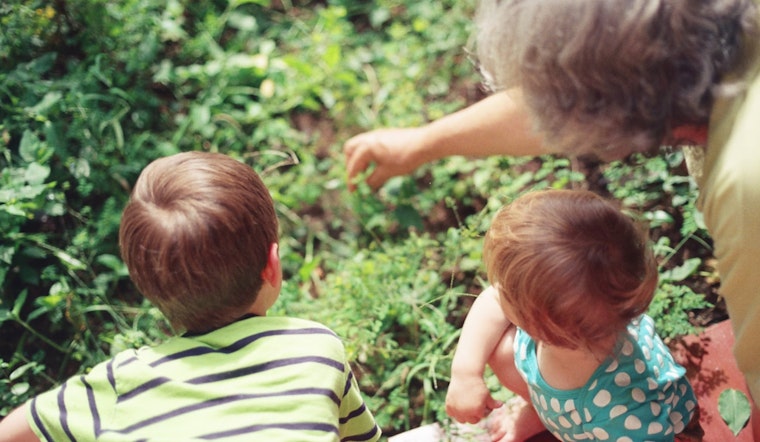
Turns out, grandparents aren't just for spoiling the grandkids; they may be a lifeline for mothers' mental well-being. A recent Finnish study underscores how crucial the support of grandparents is, particularly for mothers flying solo after a split. According to Fox San Antonio, research involving nearly half a million Finnish mothers found that moms are less inclined to reach for antidepressants when the kids' grandparents are under 70, still on the job, and free from major health woes. Unsurprisingly, the positive effects on maternal mental health shined brightest when mothers were navigating parenthood unpartnered.
In a report published by CNN, Dr. Niina Metsä-Simola, the study's lead researcher from the University of Helsinki, emphasized, "Mothers are less likely to purchase antidepressants if their own parents are younger than 70, employed and do not have severe health problems." It seems that an active role by grandparents can bolster maternal mental health, especially for those who are raising children on their own. The benefits ripple outwards, benefiting not just the mothers but the children as well, given the established link between maternal depression and adverse child outcomes.
The perks of grandparental support don't come without their flipside, however. Context matters, and when grandma and grandpa are older, battling health issues, or living miles apart, the scales can tip the other way. The study, detailed by CNN, indicated the highest antidepressant use among mothers with less accessible or ailing grandparents. It's a stark reminder that while the proverb 'it takes a village' holds true, not every family has the same village at their disposal.
A theme echoed by Lynne McIntyre, a perinatal psychotherapist not involved in the research, in a statement given to CNN: "The social support has to come from somewhere." Whether it's relatives, friends, or broader community networks, finding and fostering that support is key. McIntyre points out, even in an age where traditional family structures evolve and societal norms shift with higher female education and employment rates, the core need for robust social support hasn't waned.





