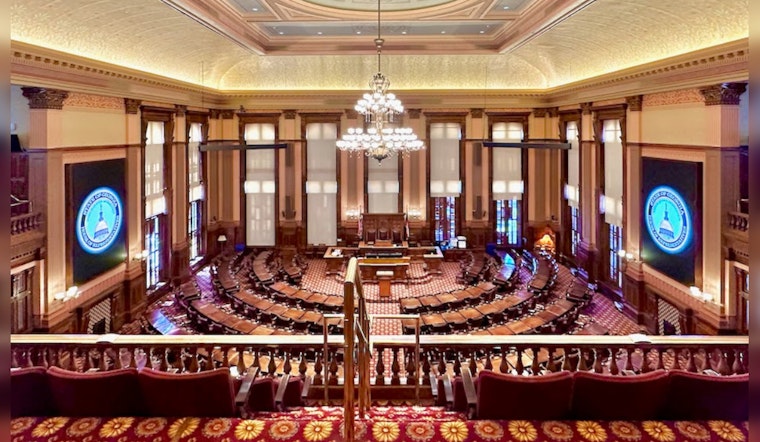
The debate on cash bail in Georgia took a decisive turn as the State House green-lighted Senate Bill 63, now on its way to Governor Brian Kemp's desk for approval. The Republican-majority House voted 97-69 on Monday, favoring the legislation that plans to reinstate cash bail requirements for 30 more crimes, a rollback on the 2018 bail reforms under former Gov. Nathan Deal. The move has sparked a fiery discussion on the balance between public safety and the rights of the accused, especially those with scant financial resources.
Supporters argue the bill aims to prevent individuals from skipping court dates, a problem they say is more common when there is no financial stake involved. Athens Republican Rep. Houston Gaines was quoted, "This legislation will make it clear that Georgia is not going to suddenly begin to fail by following other states that have eliminated cash bail," according to 11Alive. However, national studies are often at odds with this claim, showing no clear correlation between cash bail and court appearance rates.
The legislation also directly targets charitable bail funds, by restricting them from bailing out more than three individuals per year unless they meet the qualifications set for bail bond companies. Critics have taken sharp exception to this provision, seeing it as an attempt to undermine grassroots efforts aimed at supporting those who cannot afford bail. Atlanta Democrat Rep. Tanya Miller slammed the bill, calling it "the criminalization of poverty," during the House debate, and claimed it would unduly incarcerate individuals for minor offenses, as reported by 11Alive.
Not only does the bill threaten to leave poorer defendants languishing in jail for petty crimes, it could also exacerbate the already-strained county lockups across Georgia. Despite this, Gaines insists that judges will retain the discretion to set low bails, a nuance designed to temper concerns. A pivotal aspect of the 2018 reform, which requires judges to evaluate an individual's ability to pay before setting bail, will remain untouched. Even so, Miller highlighted the dangers of equating financial resources with morality or danger to the community, further stating: "What is most scary about this bill is the criminalization of churches and religious institutions that have historically been on the front lines of social justice and civil rights," in a statement echoed by civil liberties groups who contend these charges represent an overreach of power.
As the bill awaits Kemp's signature, the question of how much safer it will make Georgia remains controversial. Under the proposed changes, misdemeanors such as a second offense of reckless driving, criminal trespass, or even failing to show up for a traffic ticket, will now require bail. With Kemp's stated preference for more restrictive bail conditions, the bill's future seems likely to align with his vision, though a spokesman did not immediately respond when asked about the governor's intention to sign the bill into law.