

























































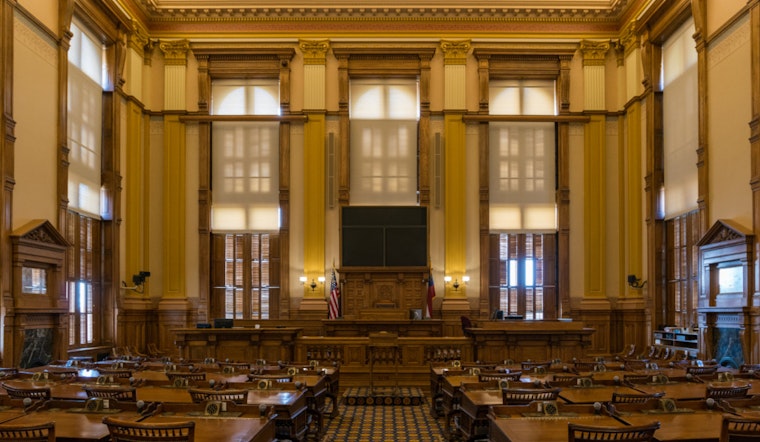
Georgia's march toward revamping its election system took a steadfast step forward with the Senate's recent passing of Senate Bill 212. The bill, spearheaded by Sen. Max Burns (R–Sylvania), chairman of the Senate Ethics Committee, proposes to take away election responsibilities from probate court judges and hand them over to newly formed county boards of elections and registration. Currently, about 25 counties across Georgia would see the impact of this change, designed to streamline the election process and bolster the state's democratic integrity.
A strong push for a more efficient electoral process has led to support from various corners. In a statement obtained by Senate Press, Sen. Burns expressed his enthusiasm over the bill's passage. "The passing of Senate Bill 212 is a crucial advancement towards fairer and more efficient elections in our state. By transferring election responsibilities from probate court judges to county boards of election and registration, we guarantee a smoother process that maintains the integrity of our democracy," he said. He commended the bipartisan support that helped to rapidly move the bill through the Senate.
The legislative effort reflects a desire to specialize election oversight, enabling probate court judges to focus on other judicial responsibilities. This specialization is anticipated to reduce the potential for errors and confusion during elections, a focal point of contention in past electoral cycles. The newly established county boards are expected to be better equipped and solely dedicated to handling the complexity of elections, providing a more transparent and accountable process.
Now with the Senate's nod, Senate Bill 212 will move on to be scrutinized by the Georgia House of Representatives where it will undergo further debate. This move is set to potentially reshape the election landscape in Georgia, as the state continues to closely examine and refine its procedures following nationwide scrutiny of election integrity in recent years. The anticipation hangs heavy in the air, as lawmakers and citizens alike wait to see if the proposed reforms will indeed make to live up to the promise of a stronger, more inclusive democracy, as Sen. Burns and his bipartisan colleagues hope.




