

























































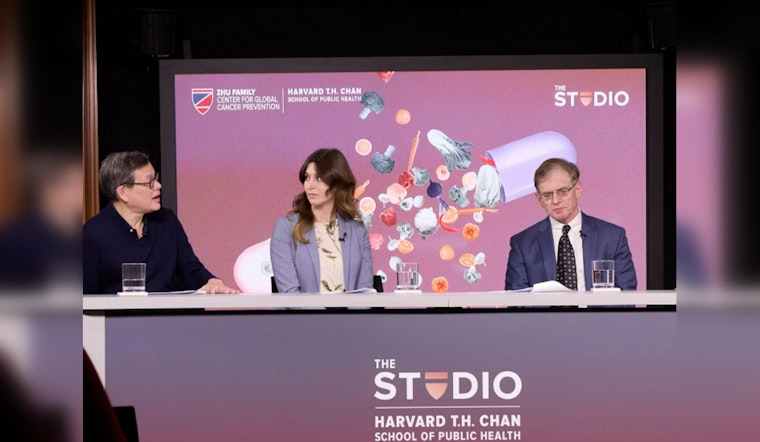
Experts at Harvard T.H. Chan School of Public Health have laid out a stark menu of cancer risks associated with our daily diets, serving up the hard truths about the foods that may be shortening our lives. A recent panel discussion illuminated the profound impact of ultra-processed foods and alcohol on increasing cancer risk, according to Harvard Gazette. These factory-made staples – from chips to sweets, to ready-made meals – alongside processed meats like bacon and hot dogs, play a significant role in our dietary landscape and, by extension, our health.
"Chronic inflammation happens over years and years and the cells become dysregulated, mutated," explained Timothy Rebbeck, the Chan School’s Vincent L. Gregory Jr. Professor of Cancer Prevention, as Harvard Gazette reported. This inflammation, coupled with high levels of insulin, as seen in obesity and early-stage Type 2 diabetes, compounds the risk, with certain fats also contributing to the equation.
Yet, there's a recipe for reducing this risk. Echoing the consistent advice for managing heart health and blood sugar, panelists stressed a diet rich in fruits, vegetables, whole grains, and healthy proteins. Registered dietitian Eliza Leone suggested the Harvard Healthy Eating Plate, which is made up of 50 percent fruits and vegetables, the remainder split between whole grains and proteins, to create a balanced eating strategy. In the face of an array of supplement claims, panelists were wary, yet highlighted vitamin D's potential cancer-fighting properties, substantiated by the VITAL study's findings on reduced cancer death rates over a six-year period.
Exercise emerged as another strong component in the fight against cancer, with numerous types, including bladder and breast cancer, shown to be combated by physical activity, which exhibits potent anti-inflammatory effects, according to Edward Giovannucci, a professor of nutrition and epidemiology at the Chan School. Meanwhile, the trendy intermittent fasting approach garnered caution from experts. Eliza Leone noted that people might indulge in processed foods when not fasting – an unsustainable pattern for long-term health. Instead, she championed making healthier choices and controlling portions.
“One of the most important things you can do to enhance the nutrition in your life is to become more comfortable in the kitchen — all of these nutrition recommendations come down to what you eat,” Leone told the Harvard Gazette.





