

























































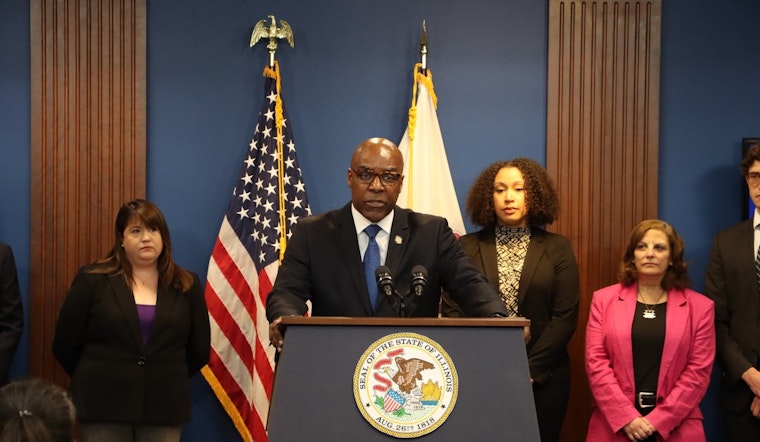
Attorney General Kwame Raoul is leading a charge, together with a coalition from across the political spectrum, pushing Congress to roll up its sleeves and tackle reforms aimed at pharmacy benefit managers (PBMs), those obscure players in the healthcare system who have a heavy hand in determining drug prices. Raoul, joining a united front of 39 state attorneys general, sounded the alarm on what they see as an imbalance in control exerted by PBMs, a role that continues to detract more from patients than it benefits them, as reported by the Illinois Attorney General's office.
In a bipartisan plea for a shakeup of the pharmaceutical pricing process, AG Raoul's voice adds to an increasingly loud chorus concerned about drug affordability. According to the statement obtained by the Illinois Attorney General's office, these officials argue that the obscure nature of PBM transactions could force drug makers to bloat list prices just to offer the discounts that PBMs demand. "PBMs continue to put a focus on driving up their own profits at the expense of patients," Raoul said. By dealing directly with drug manufacturers, and at times pushing up prices for their own gain, these managers are drawing scrutiny and calls for reform.
Under a lens that reveals a rather murky interface between insurance providers, drug manufacturers, and the clients who depend on life-saving medications, PBMs play a central role by negotiating discounts, establishing lists of covered drugs, and often deciding the fate of which drugs end up in the hands of patients. This leveraging power over the pharmaceutical industry has prompted Raoul and his camp to press for a more transparent PBM operation. This includes a proposition to Congress for these intermediaries to provide standardized pricing data to health plans and to regulators, facilitating better-negotiated agreements and enabling oversight by regulators.
Along with Raoul's advocacy, the attorneys general coalition, a group that stretches across a diverse geographic and political map from states including, but not limited to, Texas, New York, and Ohio, are calling for congressional action that they hope will provide patients some relief in the face of rising prescription costs. "I will continue to advocate for reforms that ensure prescription pricing is transparent and reduces the financial burden on Illinoisans," Raoul told the Illinois Attorney General's office. The collaboration underscores a unified goal: To disentangle consumers from the hidden web of PBM practices and toward a clearer, more equitable healthcare system.





