

























































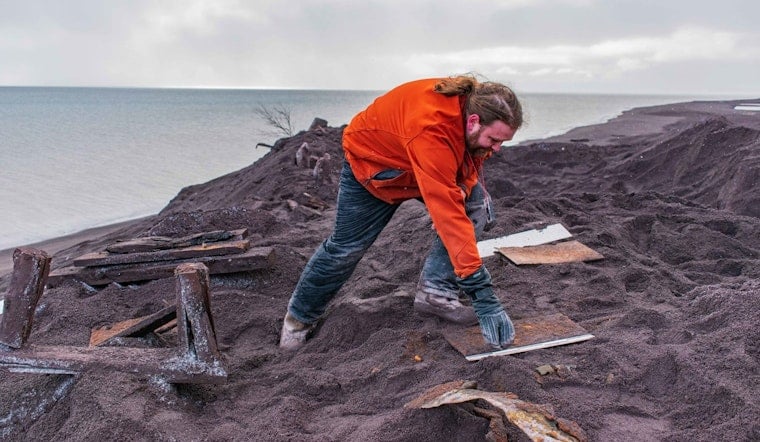
The Buffalo Reef Task Force, a partnership endeavor featuring state, federal, and tribal entities, is openly seeking public commentary up until March 1 on proposed methods to handle the encroaching mining waste threat to Lake Superior's Buffalo Reef. This multi-agency coalition has been tasked with finding sustainable solutions to the destructive spread of stamp sands—relics of the region’s copper mining history that now jeopardize crucial fish spawning grounds.
Stamped with a hefty price tag exceeding $2 billion, the task force is currently leaning towards to construct an upland landfill to dispose of the problematic stamp sands, a maneuver detailed in a draft alternatives analysis. According to Michigan.gov, acquiring land and finding an agency to commit to ownership and maintenance of features like a jetty designed to halt further migration of sands in the lake are among future hurdles to be addressed.
These stamp sands have originated from the Wolverine and Mohawk mines over the past century and are currently threatening the spawning habitat for Lake Superior whitefish and lake trout. The situation has exacerbated as natural forces have dispersed the sands over a five-mile stretch of shoreline. The task force's efforts, augmented by the Keweenaw Bay Indian Community and others, have involved significant dredging efforts, including the removal of a significant bank of stamp sands in 2019, as reported by The Detroit News.
Alternative strategies were considered and dropped due to logistical and financial constraints. These included constructing an in-lake barricade to contain the original pile of stamp sands and hauling material to the tailings basins at the former White Pine Mine. "Placement of dredged material at the White Pine mine tailings basin involves high cost, no infrastructure at the former mine for freighter access and it's not feasible to truck it there on existing roads," EGLE's district supervisor Jay Parent stated, as per Michigan.gov. Effective yet costly, the landfill option thus stands out as the preferred path forward.
Public feedback is currently being solicited by the task force and can be directed to Stephanie Swart of the Great Lakes Management Unit of EGLE. Continued updates on the endeavors to preserve Buffalo Reef can also be tracked through Michigan's official website. Stakeholders and concerned individuals are encouraged to share their perspectives, which will be duly discussed and considered by the Buffalo Reef Task Force. These efforts are part of a broader partnership that includes federal agencies and historic preservation offices, all converging on the common goal of restoring balance and vitality to this delicate aquatic ecosystem.





