

























































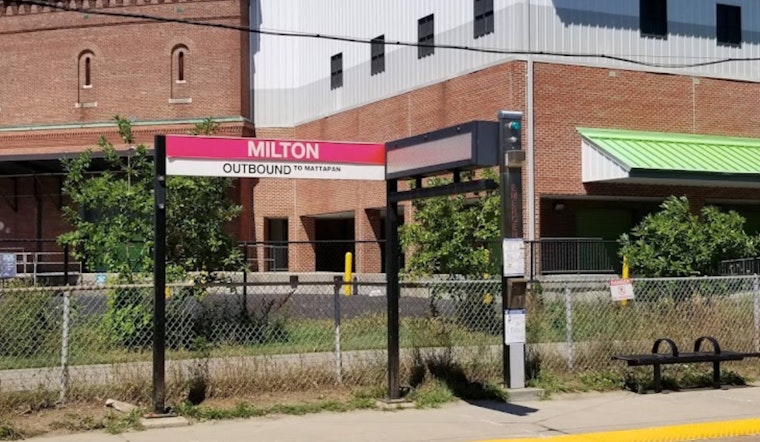
Milton, MA residents were out bright and early this morning, casting their votes on a divisive zoning proposal that could reshape the future of housing in their community. The plan, which has triggered fierce debates among locals, aims to bring Milton into compliance with the state's MBTA Communities Act, necessitating towns with public transit to adopt multi-family housing. Tensions mounted as proponents and opponents brandished signs and made last-minute appeals to voters on their way into the polls, as reported by NBC Boston.
On one side of the divide, residents like Hal Munger stood supporting the measure, hoping to address the housing shortages. "We're just trying to show support for a town," Munger told NBC Boston, stressing the need for more accessible housing. Meanwhile, Diane Casey, another local, held the opposite stance, arguing that the town, with a population of roughly 27,000, can't handle the increased density. "Look at where they are going to build it. They want to build one behind East Milton Square. You can't park there now anyways. There's no parking, it's always been a problem," Casey said to NBC Boston.
The state's 2021 mandate aimed to alleviate the acute housing crisis gripping Massachusetts by pushing for suburban rezoning, especially in transit-rich areas. The contentious vote in Milton is viewed as a key indicator for over 130 other communities that are due to rezone by the year's end. Political heavy-hitters like Attorney General Andrea Campbell have thrown in their two cents, warning of lost grants and legal action should the proposal fail, a sentiment echoed by Lieutenant Governor Kim Driscoll, as reported by The Boston Globe.
Amidst concerns regarding state consequences, some voters, like John Ahonen, seemed to be taking a pragmatic stance. "The plan may not be perfect, but we'll lose grant funding," Ahonen indicated in a Boston Globe interview, aware of what's at stake. Skeptics, however, such as Greg Fall, who stands to see his neighborhood directly affected, dismissed these warnings. "I can't believe leaders of the state would want to punish the citizens of Milton for exercising their democratic right," Fall told The Boston Globe.
The outcome of Wednesday's vote is expected to dramatically influence Milton's approach to housing by potentially easing zoning regulations for apartments and condos in specific areas, allowing for the development of 2,461 housing units. As the day unfolded, the sense of a community at a crossroads was palpable. Afiya Webb, a local mother, voting in favor of the change, summed it up as "the right thing to do" to NBC Boston, eveoking the need for long-term housing plans for future generations.





-4.webp?w=160&h=400&fit=crop&crop=edges)