

























































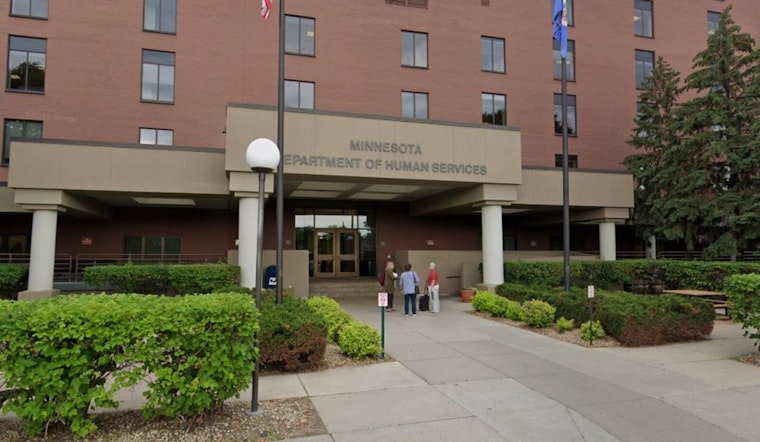
The Minnesota Department of Human Services (DHS) has provided updates on improvements to services impacting aging adults and individuals with disabilities, emphasized changes to the Long-Term Services and Supports (LTSS) and personal care assistance policies, the AASD/DSD announced in their latest weekly digest.
A critical component of this update is a forthcoming feedback survey for the LTSS Improvement Tool, targeting "County and tribal nation leaders," this survey scheduled for completion by February 20, is projected to give DHS valuable insights that could shape the future of LTSS tool usage and data management, as it is aimed at collecting feedback from staff interfacing with these data extracts, a move which indeed reflects the ethos of an administration vested in the utility offered to its lead agencies.
Notable among the proposed policy updates is the alteration to the remotely qualified professional (QP) supervision requirements for personal care assistance (PCA) for "people with chronic health conditions or a severely compromised immune system," an update that takes effect immediately, allowing for the required supervision to be conducted remotely, following a certain process, the division communicated through their announcement.
The DHS has also heralded forthcoming training and informational events, such as the "Culture of Safety Orientation" webinar, which will take place on March 5, crafting an opportunity for stakeholders to delve into safety science principles critical incident analysis, and decision-making processes. The seminar encourages an inspection into foundations that can safeguard decisions and actions in the face of unexpected incidents; similarly, a two-day Culture of Safety advanced practical training is slated for March 18 and 20, focusing on engaging employees in safety efforts and systemic analysis.
Beyond scheduled events, the DHS also disseminated a timely message regarding the director's strategies to manage the growth of integrated community supports (ICS), a correspondence that was sent out on January 31, the contents of which can be found in an early February release accessible online and alludes to themes of sustainability and proactive governance in an area of critical community importance.





