

























































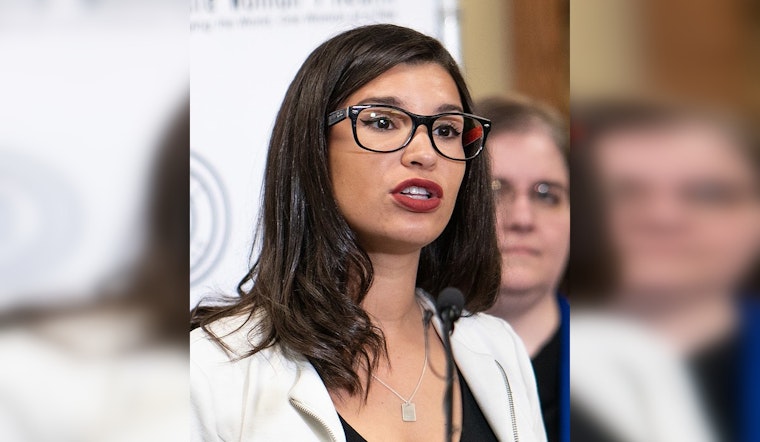
Minnesota's minors who've become unwitting stars of their family's social media empires are on track to gain new protections and potential paychecks, thanks to a bill that sailed through a senate committee Thursday. Championing the plight of these pint-sized performers, Sen. Erin Maye Quade has lobbed SF 3496 into the legislative arena. The proposed law aims to safeguard these kids, some just toddlers, from being exploited in the relentlessly hungry content machine of the internet.
Under the bill, presented to the Senate Labor Committee on Feb. 22, children featured in revenue-generating posts on platforms like Instagram and TikTok would receive a rightful share of the earnings. "The children we see featured in sponsored Instagram posts and Tiktok reaction videos are central to the ability of these account owners to earn money — and children deserve to be paid for that work," Maye Quade asserted, in her crusade for juvenile justice in the digital domain. The legislation, drawing from precedents in other states, seeks to extend Minnesota's child labor laws to the online frontier. In addition to financial compensation, it would afford these minors the right to have their images scrubbed from the web.
When presented with this fresh legal bid, the committee members, listening to the compelling case laid out by Maye Quade, raised their voices in agreement, passing the bill without objection. Swiftly, SF 3496 was ushered to the Judiciary and Public Safety Committee for the next round of deliberation. This decisive action marked a pivotal stride in reframing the narrative surrounding the rights of child internet personalities.
The intricacies of SF 3496 include provisions to dampen coercive practices that may push children into the limelight against their better will, a prominent issue flagged by advocates. Allowing children who can't even spell 'exploitation' the chance to claim ownership of their digital reflections is a critical component of the bill. According to Senate DFL's report, these protections and rights are a refreshing first step compliments of the legislator, as Minnesota navigates the choppy waters of new media and its youngest participants.
As the cultural tide turns, and the blurring lines between family life and content creation become much causally contested battlefields, Maye Quade's work ensures that not only are child labor laws keeping pace with technology, but these young influencers are recognized for their contributions to the family business, unwitting as their participation may sometimes be. The Minnesota senate appears primed to embark on a trailblazing journey, directing the spotlight from the children in filtered frames to the legal framework that will redefine their roles in the eyes of the law and the market they inadvertently serve.




.jpg)