

























































In Multnomah County and the cities of Portland and Gresham, a bout of progress has been noted in the fight against gun and community violence with a reported decrease in violent incidents, yet the work is said to be far from over. According to a report by Multnomah County, these jurisdictions have experienced a downturn in gun violence between 2022 and 2023, attributed in part to a concerted effort to address the surge in violence that followed the pandemic, the decrease is welcomed but experts and officials warn that sustained efforts are critical to keep this downward trend going.
The Local Public Safety Coordinating Council (LPSCC) was briefed on January 22, 2024, about the significant, coordinated investments and collaboration across jurisdictions that played a key role in reducing gun violence, although it is still a significant issue throughout the county, problematic even as federal funds that once bolstered these anti-violence programs begin to sunset, strategic initiatives manager Raffaele Timarchi was quoted, "Many of the specialized efforts and initiatives we were able to stand up relied on federal and state recovery funds that sunset the summer of 2024," a factor that could potentially influence the continuation and effectiveness of the programs in place.
The cautionary stance is further emphasized by Multnomah County Chair Jessica Vega Pederson who highlights the importance of maintaining investments in violence prevention strategies, noting past instances where such programs were defunded after showing initial success. "Then we get into the situation where the community supports and the really important work that led to that decrease is gone. And you find yourself in a situation where you need it, it's not there," Vega Pederson stated, her comments underlining a critical challenge in the ongoing battle against community violence, as reported by Multnomah County.
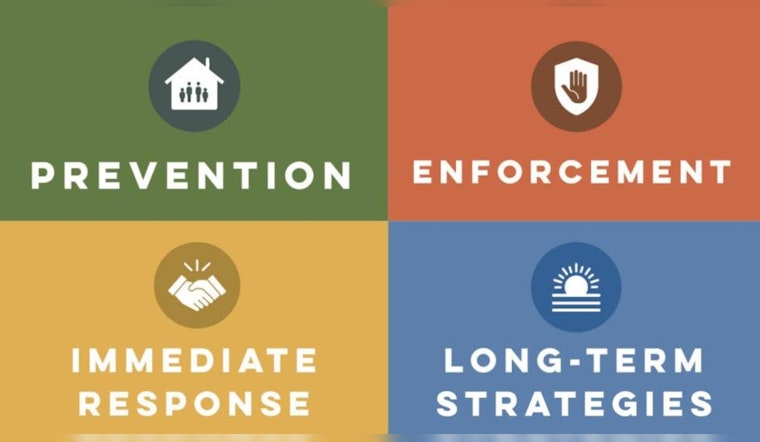
The LPSCC meeting revealed key themes in gun violence prevention, notably the acceptance that gun violence is preventable and the need for race-centric strategies, as disproportionate effects are felt most acutely by Black, Indigenous, and other colored communities—with statistics showing more than half of the victims of gun violence were people of color, furthermore, tackling the problem demands both collaboration and coordination across multiple strategies and entities, despite the challenges such as workforce shortages and high incident volumes, the silver lining, Timarchi said, points to improved teamwork amongst officials, which must continue to ensure safer communities. Yet, access to the lifeblood of funding that sustains these programs is dimming as federal and state dollars are projected to run out by the summer of 2024, adding pressure to find alternative sustainability solutions for these critical initiatives, Timarchi told Multnomah County.





