

























































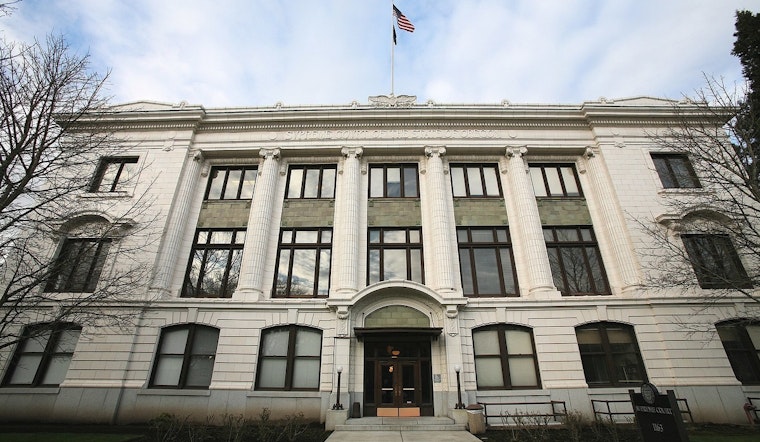
In a move that promises to shake up the political landscape in Oregon, the state Supreme Court ruled last Thursday that eight GOP senators who staged a six-week walkout last year are ineligible for reelection. These lawmakers had staged the longest walkout in state history, a strategic move intended to stall Democratic-backed legislation by denying the Senate the necessary quorum to vote, according to The Hill.
While both sides have historically used walkouts to leverage power, it was the repeated use by the Republican minority, controlling 12 of the 30 seats, that led to the passage of Measure 113. Under this measure, which was approved by voters in 2022, legislators with more than 10 unexcused absences are barred from seeking reelection. Locked in a dispute over the interpretation of the measure's wording, the lawmakers argued that the language allowed them another term, a challenge that the Oregon Supreme Court rejected unanimously, siding with Secretary of State LaVonne Griffin-Valade’s stricter interpretation, as reported by OPB.
The decision elicited reactions on both sides of the aisle, with former vice president of Service Employees International Union Local 503, Andrea Kennedy-Smith, saying in a statement obtained by OPB that the "ruling upholds the intent of Oregon voters; politicians need to do their jobs or lose their jobs." In contrast, Republican Senator Suzanne Weber expressed her disappointment, suggesting that the court's decision favored political rhetoric over legal precision. "I’m disappointed but can’t say I’m surprised that a court of judges appointed solely by Governor Brown and Governor Kotek would rule in favor of political rhetoric rather than their own precedent," Weber told OPB.
The case, which revolved around the intricacies of legal grammar and voter intent, provided a stern test for Measure 113, implemented as a tactic to prevent the legislative standoffs that have characterized Oregon's recent political climate. Despite the law's complexity, the court ultimately interpreted the law as reflecting the will of the people, foregoing a literal reading in favor of its broader purpose. This interpretation could set a precedent for future legislative disputes in Oregon, as noted by the Oregon Capital Chronicle.
With this ruling, the political fates of the involved Republican senators have been altered, barring them from reelection bids in both the 2024 and 2026 cycles. Their intended return to the political theater has been cut short, not by the voters' ballot, but by the gavel of judicial interpretation. The case against the Secretary of State's decision was led by Senators Tim Knopp, Daniel Bonham, Suzanne Weber, Dennis Linthicum, and Lynn Findley, who failed to sway the court with their arguments, as The Hill reported, ensuring that the repercussions of their legislative walkout will extend beyond the Senate floor, reframing the contours of legislative consequence in the Beaver State.





