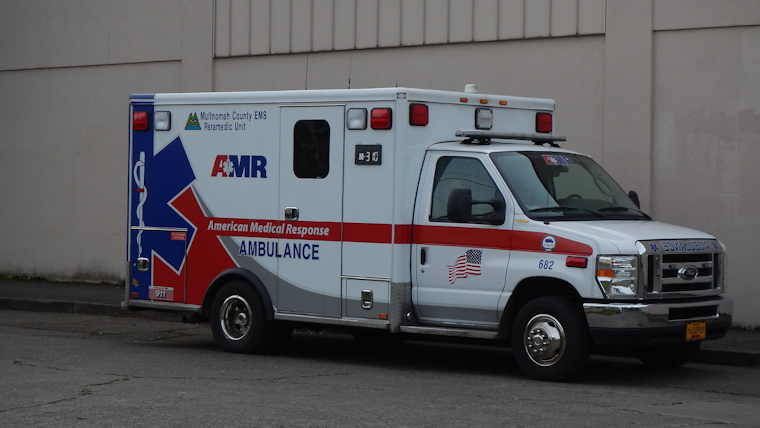
Amid escalating concerns over ambulance response times in Multnomah County, the Portland City Council has taken a definitive stance by passing a resolution that requests the county to revise its current EMS system. Citing a critical increase in so-called 'Level 0' situations where no ambulances are available, the council is pressing for a shift to a staffing model involving one paramedic and one EMT rather than the existing requirement of two paramedics, which has been the norm, according to KPTV.
The resolution advocates for this staffing transition to mitigate the shortage of paramedics and enhance the number of available response units. This move, however, has been met with resistance by seasoned paramedics and county officials who worry about the potential downfalls of such a drastic change. KOIN reported Portland Commissioner Rene Gonzalez's urgent plea: "We can't wait any longer on this. Too many seniors, too many people with serious health conditions. Lives are threatened if there's no available ambulances."
The predicament intensified last year as American Medical Response, the county's ambulance provider, faced over $2 million in fines due to sluggish response times. With the current structure under scrutiny, AMR has contended with the need for 60 additional paramedics and has advocated for the proposed staffing amendment, which they argue would match the national standard and, notably, the standard across Oregon, as mentioned by AMR Operations Manager Robert McDonald in a statement obtained by KATU News.
While Multnomah County Chair Jessica Vega Pedersen has not yet approved the staffing modification, she has expressed her commitment to exploring other solutions, voicing concerns about the implications of such changes without properly preparing local fire crews to handle every call adequately. In her words to KPTV, "If staffing changes are going to come at a cost to the public, that should be transparent, and our community must know and understand the implications."
Meanwhile, Portland firefighters, who shouldering the weight of ambulance unavailability, find themselves in precarious situations, forced to transport critical patients in non-ambulance vehicles. This untenable setting fuels the urgent discourse and the polarizing debate that has galvanized a sector of the county commission. Paramedic Talitha Saunders, with nearly two decades of experience, highlighted the nuanced complexities of the issue to KPTV: "You're just going to be switching around who’s waiting on who…a fire medic might be on scene first, and they're waiting for us, but if we go to a paramedic/EMT system, we’re going to be showing up on scenes that have not been properly triaged on the BOEC level, and now we need another medic and we’re waiting for fire to respond."