

























































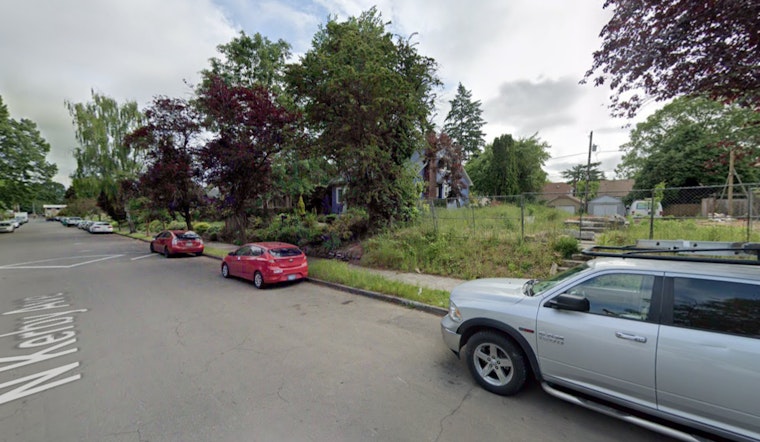
In a decisive move to address long-standing eyesores and hubs for illicit activity, the Portland City Council has thrown its unanimous support behind the foreclosure of six properties that have vexed neighbors with their litany of problems. These properties, stained by repeated code violations and unpaid fines, are now slated to be queued for the auction block, a step the council deems necessary for neighborhood reprieve and regeneration.
Among the troubled sites is a property on Southeast Martins Street, notorious for squatters and disarray. "A bunch of people started squatting there," Ty Schrader, a local resident, revealed in his narrative to KPTV. "It just became a big squat house. There were 15 to 30 people living there at one time," Schrader lamented. A chorus of complaints accompanies the council's move, with neighbors running out of patience with City Hall's pace in addressing the decay.
But the scope of nuisance extends beyond mere unsightliness. Health, safety, and criminal disturbances have been hallmarks of these properties. "We received written comments from neighbors reporting fires, break-ins, RV campers, sewage, drug users, and drug sales. It’s a pretty active site and it’s been causing trauma for the neighbors for some time," disclosed Commissioner Dan Ryan about one particular address on Detroit Avenue, according to KOIN.
Portland's Bureau of Development Services has long had the six properties in its crosshairs, recommending foreclosure last year. The cumulative result of the city’s efforts: a billing of over $700,000 in unpaid fees. Describing the gravity of the situation, Mayor Ted Wheeler stated at a council meeting, "These properties have been identified as causing significant problems for neighbors, and they are the subject of multiple and frequent police calls," notes KGW.
While the legal mechanism allows the foreclosed properties to be reclaimed by their current owners within a year post-sale, neighbors whose patience has been worn thin by the escalating situations seem skeptical. One anonymous neighbor expressed to KGW, “It’s really hard on the neighborhood. It just feels like you’re screaming into a void,” highlighting the depth of frustration among those living in the shadow of these problem properties. With the council's vote, there's an ember of hope that the cycle of neglect may be drawing to a close, and a restorative process can begin for Portland's beleaguered neighborhoods.





