

























































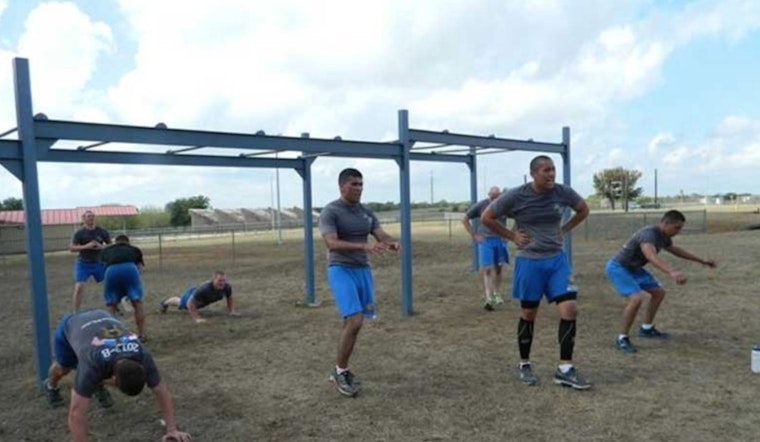
In San Antonio, police cadets are getting a taste of life on the streets through a groundbreaking initiative designed to bridge the gap between law enforcement and the community. The San Antonio Police Department's Community Immersion Program is placing cadets within the communities they will serve to foster understanding and generate a grounded approach to policing, San Antonio Report and Express-News have reported.
The unique pilot program, which began in mid-2022, involves cadets spending time at various local organizations such as Christian Assistance Ministry (CAM), where they gain insights into the lives of the homeless population. The program drew inspiration from Valerie Narvaez, director of homeless services at CAM, who has shared her past struggles with substance abuse and homelessness with cadets - illuminating the human stories often obscured by uniforms and badges.
Through experiences such as simulating sleeping in cardboard shelters, the cadets like Josh Barrientes are developing empathy for those they'll encounter on their beats. Narvaez, reflecting on her past, challenges the perception of the police as she educates young officers. She detailed an instance where she was helping a seizing man only to be dismissed by an officer due to the man's alcoholism - an incident that left a lingering impression of judgment within the force.
As part of the program, cadets receive a practical orientation, from the visceral confines of makeshift shelters to dialogue with individuals like Neville Kampf, an Army veteran with schizophrenia. They're also given tools to understand and aid those dealing with mental health issues or substance abuse. Officer Francisco Javier, an early participant in the program, admits to Express-News that before his involvement, he "never understood why people become homeless."
The initiative is being analyzed in conjunction with research partners at Texas A&M San Antonio, Brown University, and Georgetown University to gauge its effectiveness on police-community relations. While the changes induced by such a program may take years to fully measure, preliminary feedback has been positive, indicating a shift in police approach and attitudes. Narvaez has seen a palpable change, noting to Express-News that returning cadets are "very real and different" in their interactions with vulnerable populations.





