

























































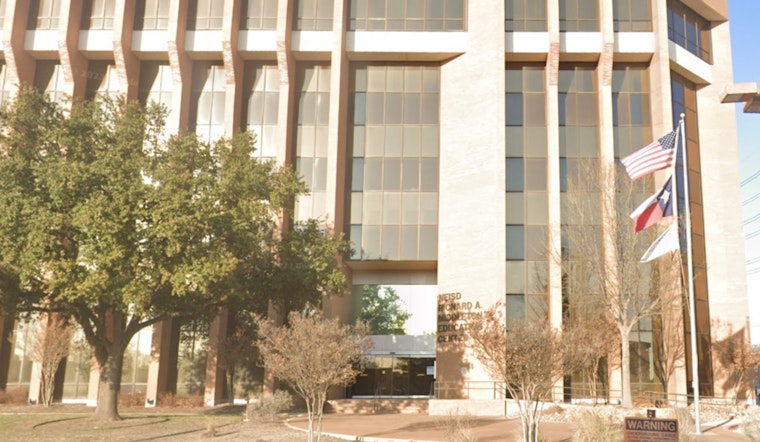
The North East Independent School District (NEISD) board of trustees reached a conclusive vote earlier this week, denying the implementation of a policy that would have allowed chaplains to enter schools as mental health volunteers. The board's decision was a response to Texas's Senate Bill 763, which had thrust school districts into the midst of the debate by offering them the option to permit chaplains to provide mental health support to students, as reported by the San Antonio Report. Critics of the bill and the prospect of chaplains in schools voiced concerns over the blurred lines between religion and state, and the fact that chaplains do not require certification or licensing to counsel students under current law.
Those opposed to the policy included diverse voices from the NEISD community—ranging from educators and religious leaders to students themselves. A retired physics professor and teacher, religious figures, and one student stood against the policy during public remarks, elucidating fears over religious neutrality in schools and the potential harm in offering unlicensed religious counsel to young students at vulnerable times. "Overwhelmingly, from the feedback that we received...people don't want this," Trustee Diane Sciba Villarreal expressed, according to comments obtained by the San Antonio Report.
However, the pushback against chaplains was not without disagreement. Trustee Marsha Landry was the lone vote in favor, citing the presence of what she called "liberal influences" infiltrating the schools without proper board supervision. "My son came home from school one day, so excited about the new gods he learned about in science," Landry told the Texas Public Radio, arguing for a clear policy that would allow chaplains to serve in defined guidance roles.
Tensions ran high as the trustees weighed the potential benefits of chaplain-led mentorship against the risks of encroaching upon the secular priorities of the education system. Despite these deliberations, the ultimate consensus leaned toward maintaining the current policy, precluding the use of religious chaplains as counselors. Trustee David Beyer expressed wariness regarding any policy permitting chaplains, highlighting the problematic nature of allowing an individual in such a capacity to interact with students without suitable qualifications. "That's a sort of slippery slope," Beyer voiced his concerns to the Texas Public Radio.
The board recognized the potential value of considering such volunteers but remained firm in maintaining existing counselor protocols. The majority vote against allowing unlicensed chaplains to operate within the school's mental health framework solidified a stance echoing the community's value of secularism in public education.



