

























































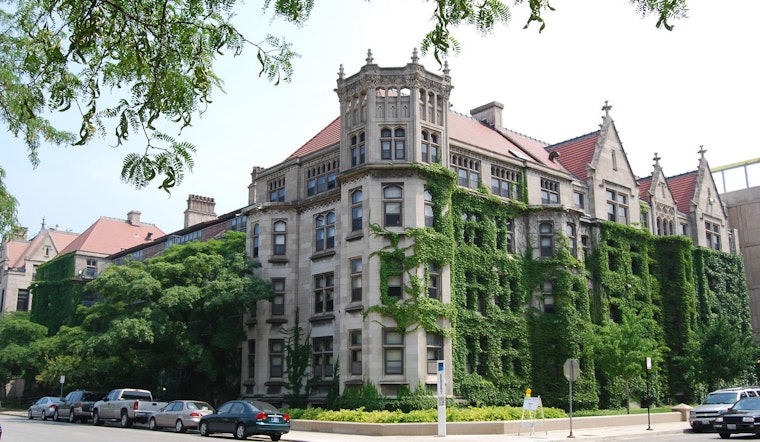
In an effort to level the playing field in cancer care, the University of Chicago's Comprehensive Cancer Center has kicked off a new initiative dubbed the Center to Eliminate Cancer Inequity (CinEQUITY). With a solemn nod to the disparities in health, the freshly minted center is looking to spearhead game-changing research that tackles the biological, social, and structural barriers hitting the excluded and marginalized residents of Chicago hard, according to a press release reported by Chicago Business.
Painting a grim picture of the expected uptick in cancer rates — a steep 49% from the year 2015 to 2050 as per CDC predictions — CinEQUITY aims to do more than just crunch numbers. "Unacceptable disparities in cancer prevention and care delivery impede even current best practices from reaching the underserved," said Dr. Kunle Odunsi, a high-powered figure at the Comprehensive Cancer Center, embodying various titles including dean for oncology. He articulated the urgent need for change in Chicago Business in a recent statement.
On the ground and in the trenches, the center will not operate in isolation but in concert with the very community, it aims to serve. It plans to craft a nexus for research buttressing efforts to iron out cancer inequities while involving community leaders in setting research priorities and keeping a diligent eye on progress. This is encapsulated in a press release picked up by Chicago Business.
The University's stark recognition of systemic inequities tormenting marginalized groups is not lost on the center. Jasmin Tiro, professor of public health sciences and the director who will be charting CinEQUITY's course, stated, "We recognize the urgency to address systemic inequities faced by marginalized groups in the Chicagoland area," echoing a commitment to a more inclusionary research culture. Tiro's reflections were shared with Chicago Business in a warm assurance of the center's resolve to change the status quo.
The problem hits close to home in Chicago's South Side, where locals face double the risk of dying from cancer compared to other city dwellers, statistics reveal – a disconcerting truth highlighted in the University of Chicago's 2022 report and echoed by Chicago Sun-Times. And it's not just about building bridges with the healthcare system, but also about stoking the fire of progress and policy changes that will make a real dent in the pervasive health inequities.
Mark Anderson, executive vice president for medical affairs at UChicago, acknowledged, "The center will work with the community to hold our feet to the fire and evaluate our progress moving the cancer inequity needle in the right direction," a sentiment captured by the Chicago Sun-Times. With the collaboration of community-based organizations, the path forward will also involve training and engaging in research endeavors, striving to inform policies and practices that could transform lives. Clinching the message of hope, Beulah Brent, co-chair of the community advisory board for CinEQUITY, told the Chicago Sun-Times, "I'm really believing that we're going to actually be able to do this now."





