

























































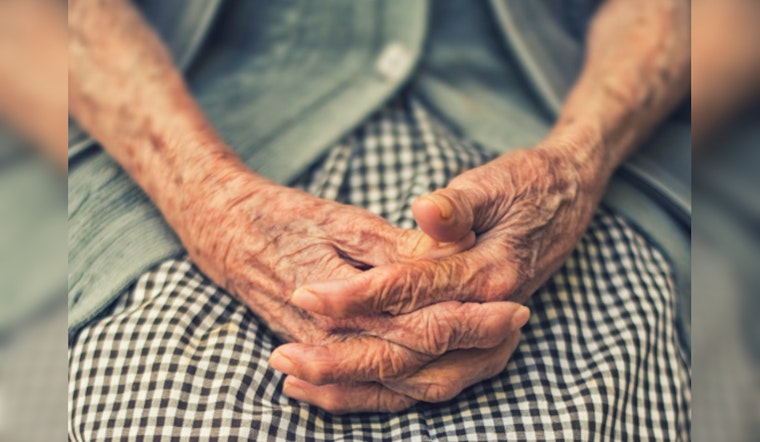
The invisible backbone of America's healthcare system, family caregivers are bending under an immense weight of responsibility. A staggering 34.2 million Americans dedicate their time to providing unpaid assistance to adults over 50, and almost half of them care for someone with dementia, according to the San Antonio Report. In a nation where home-based care is often preferred over assisted living facilities, these caregivers are essential yet face daunting financial hardships, isolation, and a lack of ample resources.
Women, making up over 60% of family caregivers, are consigned to this role by societal expectations, exerting significant pressure on their financial stability. These caregivers, as Kathy L. Lee, a licensed clinical social worker and assistant professor focuses on underrepresented aging populations, points out, "often encounter challenging situations" like "discrimination from health care facilities or providers, feelings of loneliness and financial issues." Challenges intensify as caregivers sometimes must retire early to manage the dual roles of working and providing care, as stated in The Conversation.
Caregiving responsibilities often spell fewer hours or an inability to maintain regular employment. Support services are available from community organizations, yet these resources remain elusive for many caregivers, particularly as their loved ones' conditions deteriorate. During the peak of the COVID-19 pandemic, the situation worsened with support programs on hold and healthcare access being a nightmare, leading to increased caregiver stress and exhaustion.
Despite the bleak landscape, there lies a glimmer of hope through available support programs, which can be paramount in improving caregivers' quality of life. Medicaid plays a vital role for those who meet income requirements, offering various medical and nonmedical services, and in some states, one can even become a paid family caregiver. Meanwhile, Medicare offers a financial cushion by paying for certain home health services for those who qualify. "Peer-to-peer support is also crucial," as Lee mentioned, noting that joining support groups helps caregivers manage their stress more effectively.
Ultimately, while family caregivers remain an indispensable component of the health system, further initiatives and supports are paramount to ensure their well-being and to permit them to continue providing indispensable care to their loved ones. The challenge persists not only in providing these services but in ensuring that these caregivers are aware of and can access the aid that can relieve them of at least a portion of their heavy, often unseen burdens.





