

























































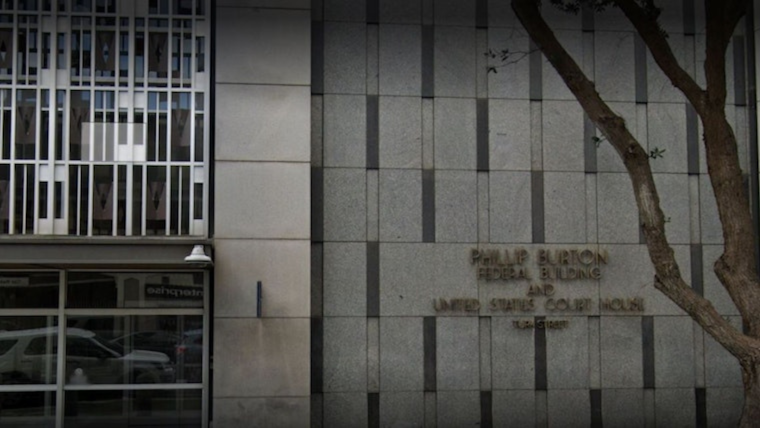
An Alameda con artist's luck has finally run out after a judge hammered him with a 30-month jail sentence and a nearly $1.5 million restitution bill. Long Nguyen, 35, was sentenced for running a Ponzi scheme that duped at least 20 individuals, as announced by United States Attorney Ismail J. Ramsey and FBI Special Agent in Charge Robert K. Tripp. U.S. District Judge Trina L. Thompson laid down the law, putting Nguyen behind bars and holding him accountable for his fraudulent actions.
Last October, Nguyen copped to four counts of wire fraud, with a plea agreement unmasking his lavish lies to investors. He boasted of being a billionaire, flaunted nonexistent high returns, and fabricated tales of a personal hedge fund and special pre-IPO deals. He even promised investors homes and Teslas, none of which truly existed, according to the plea agreement.
Instead of fruitful investments, Nguyen frittered away the cash on personal pleasures while keeping the ruse afloat by paying old investors with new victims' money. When the heat turned up and investors clamored for their cash, he concocted more lies – fake audits, frozen accounts, and dodgy checks that bounced higher than a Silicon Valley startup's valuation, the plea agreement detailed.
FBI investigations peeled back the layers of Nguyen's scheme, uncovering the rot at the core of his so-called investment opportunities. U.S. Attorney Kelsey Davidson, with assistance from Lance Libatique and Marina Ponomarchuk, spearheaded the prosecution that led to Nguyen's downfall. The judge's sentence also carries a three-year supervised release following his prison term, a detail that ensures Nguyen won't slip through the cracks upon release, the Justice Department's press release stated.
The economic chicanery of Ponzi schemes ensnares victims in a web of deceit, as seen in the case of Long Nguyen. As he begins his prison sentence and faces the reality of repaying nearly $1.5 million, the justice system sends a clear signal to would-be swindlers: crime doesn't pay when the law catches up with you.




