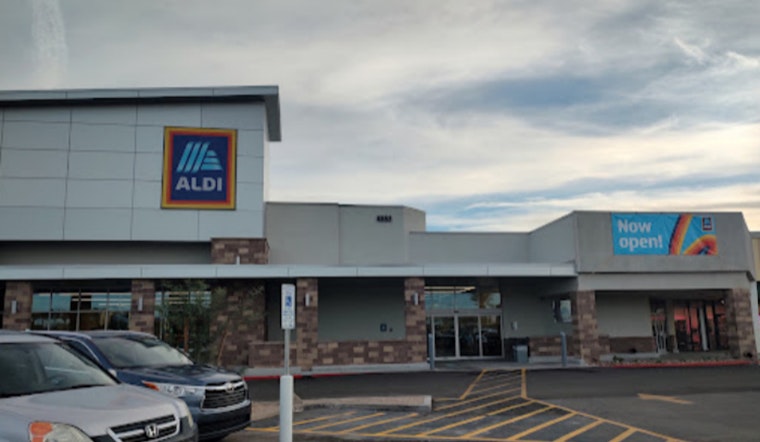
In a strategic move to corner more of the market, discount grocer Aldi has announced its plan to quickly open 800 new stores across the United States over the next five years, as reported by AZfamily.com. Inputting over $9 billion, the expansion aims to tap into a growing demographic of cost-conscious shoppers who have grown weary of the lingering inflation effects on everyday grocery prices. Aldi's initiative includes both brand new locations and the conversion of acquired Winn-Dixie and Harveys Supermarkets, which the German-based chain has recently taken under its wing.
Amid a proposed merger between grocery giants Kroger and Albertsons still up in the air due to anti-trust concerns, Aldi is looking to definitively shore up its presence. The company, headquartered in Batavia, Ill., will aim to solidify its foot in the Northeast and Midwest, while also making moves to push into new territories including Southern California, Phoenix, and Las Vegas, as per details shared by ABC15.
With household budgets strained by higher supermarket prices—the uptick largely attributed to continual inflation—Aldi's move is seen by retail analysts as a timely response to consumer demands. Neil Saunders, managing director at GlobalData Retail, called it fortuitous, highlighting that shoppers are "increasingly shopping around for better deals" and Aldi's low-cost model makes it a highly attractive option. "Ultimately Aldi’s expansion is good news for US consumers. However, it will ramp up the competitive pressure in the grocery market," Saunders told ABC15.
Despite being a notable expansion for Aldi, set to bring its total store count in the U.S. nearly to 3,000, it still trails its industry rivals. The upcoming merger, if greenlit, would leave Kroger and Albertson’s with a combined tally of about 4,500 stores, and Walmart, as the current leading grocer in the nation, operates nearly 5,000 locations. Jason Hart, Aldi's CEO, told AZfamily.com, “Our growth is fueled by our customers, and they are asking for more Aldi stores in their neighborhoods nationwide."
The grocery sector has seen transformative shifts, largely driven by consumers' search for more economical shopping avenues to navigate through price hikes, with a trend toward preferring store-brand items over name brands. Sticking to its roots, Aldi maintains a firm grasp on the discount segment with over 90% of the products offered at its stores being in-house private labels.