

























































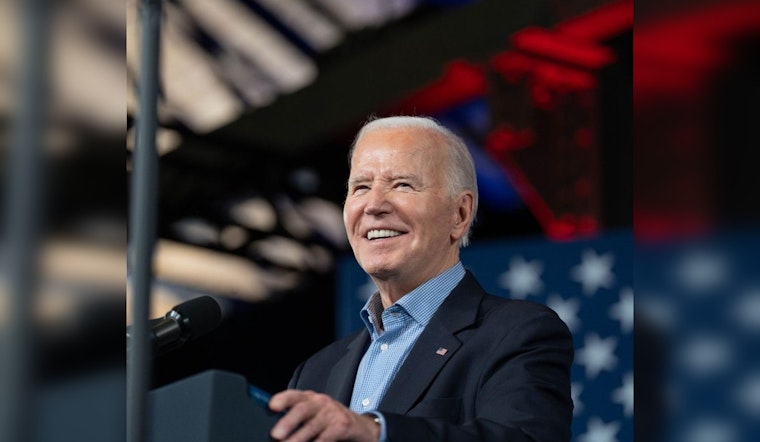
As the 2024 elections inch closer, President Joe Biden is drawing lines in the sand to distinguish his financial policies from Donald Trump's, pointing to their differing approaches to managing the nation's bloated debt. In a pointed reference during his State of the Union address, Biden claimed that the Trump administration "added more to the national debt than any presidential term in American history." However, PolitiFact examined this claim and found that while it's true Trump accrued more debt in a single term than his predecessors, Biden's tenure is on track to do the same by the end of his term.
Trump seems to be set to counterattack on fiscal issues, suggesting in a CNBC interview that tackling entitlement programs such as Social Security and Medicare could be on the cards to address the national debt. "So first of all, there is a lot you can do in terms of entitlements, in terms of cutting -- and in terms of also the theft and the bad management of entitlements, tremendous bad management of entitlements," Trump said, according to a transcript obtained by ABC News. His campaign has since accused Biden of cherry-picking Trump’s statements, saying he was discussing cutting wastage rather than benefits.
Biden's counter-strategy includes a pledge to safeguard retirement programs and a proposal to increase Medicare taxes for high-earners. Meanwhile, Trump, who asserts that he intends to protect Social Security, has accused his opponents Nikki Haley and Ron DeSantis of being open to retirement program reforms. This back-and-forth is becoming a key battlefront as both parties prepare to lock horns over not just votes but the very philosophy of America's fiscal future.
Amid the unfolding debt drama, Biden recently rolled out a budget proposal that attempts to raise the ante on the wealthy by imposing a 5% Medicare tax rate on incomes over $400,000 and stipulating a 25% minimum tax for billionaires. He's taking every opportunity to remind voters of his intent to fiercely defend Social Security and Medicare, recently stating, "If anyone here tries to cut Social Security or Medicare or raise the retirement age, I will stop you." The full implications of both leaders’ visions for America's financial health and social welfare programs will remain an intense focus as the campaigns ramp up, and as the country's future fiscal stability hangs in the balance.
As lawmakers grapple with the gravity of the decisions ahead, it's evident that Social Security's longevity is of paramount concern to the 65 million Americans who rely upon it. With the looming threat of a funding shortfall, the need for a bipartisan solution is more pressing than ever, while the national debt continues to soar—a burden both parties have so far been unable to reconcile or reverse.





