

























































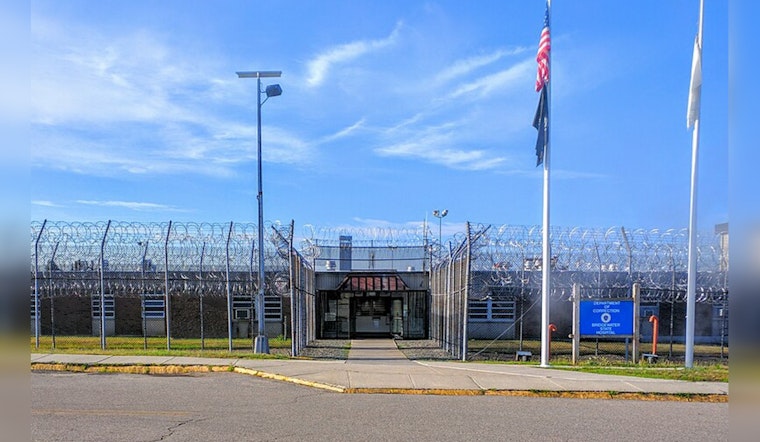
The Bridgewater State Hospital, under the watch of the Massachusetts Department of Correction, continues to be embroiled in controversy for its treatment of patients, according to recent reports by the Disability Law Center (DLC). Revelations of "unlawful and violent" restraint practices and "inadequate access to appropriate medical care" have surfaced alongside issues of a serious mold infestation within the facility.
The watchdog's criticism points a finger at Wellpath, a private company hired to provide medical services, for employing harsh methods to medicate patients, including those characterized as unaggressive. "I still think about it even now," one patient recounted the invasive process of being restrained and administered psychotropic medication, as reported by Boston 25 News. Patients have described altercations lead directly to injections without attempts at de-escalation, with some evoking psychological traumas akin to physical combat.
Continuing concerns include the facility's "deplorable" HVAC system and dangerous mold proliferation, prompting calls for its closure until these issues are resolved. A New England-based mold testing and inspection Company, with over two decades of experience, recommended the hospital should be unoccupied until it is deemed safe. According to the Boston report, the mold situation has been a longstanding issue, with previous recommendations from as far back as 2019 seemingly disregarded.
The DLC urges for a shift of control of the hospital from the DOC to the Department of Mental Health, advocating for a new facility that could adequately meet patient needs.“It is clear that neither the care that DOC and Wellpath offer, nor the deteriorating prison facility meet the needs of the BSH population,” stated Tatum A. Pritchard, Director of Litigation of DLC, signaling a systemic failure in addressing legal violations, abuse, and poor health treatments within the hospital.
A DOC spokesperson insisted that significant strides have been made to provide quality, patient-centered care, citing "enhanced staff training and increased independent oversight by behavioral and mental health experts." Meanwhile, Wellpath found itself under scrutiny for past staffing and cost-cutting practices that prompted the termination of contracts with two Massachusetts sheriff's departments.





