

























































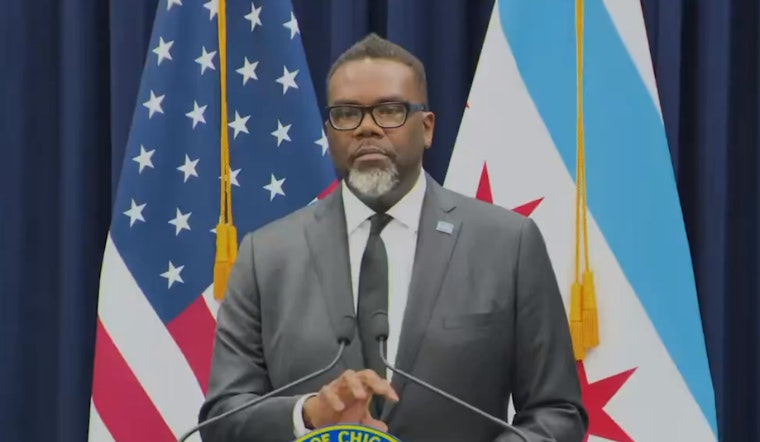
Chicago's long-standing debate over the use of ShotSpotter technology rumbles on as city officials swing between praise for its potential benefits and criticism over its effectiveness and impact on communities of color. Chicago Mayor Brandon Johnson, after wading through a wave of uncertainty following his campaign, has decided to not renew the city’s contract with the gunshot detection company, looking to phase out the system post-Democratic National Convention, as reported by the Chicago Tribune. Police Superintendent Larry Snelling backs the system, crediting it with aiding officers to quickly respond to incipient trouble, according to the same source.
The effectiveness of the technology, which has cost the city $49 million since 2018, remains in heated contention. Alderman Anthony Napolitano, a staunch supporter of ShotSpotter, claims, "Statistics show that this tool works." His perspective seems to starkly contrast with Alderman Andre Vasquez's stance who criticized the city's continued investment, saying, "Because the city's never determined what it wants to do and how to judge success, to keep putting money in without understanding what you want to get out of any technology, it's just a bit irresponsible with taxpayer dollars," according to WTTW News.
Despite support from law enforcement, multiple studies have brought the system's efficacy into question. A recent study found ShotSpotter to quickly bring police to crime scenes, but its impact on decreasing gun violence or improving clearance rates is unproven. Eric Piza, a criminal justice professor and principal investigator of the study, suggests cities need to "think a little bit harder about what are the ends and what are the means." This echoes the findings of others like the MacArthur Justice Center, which argue that ShotSpotter fails to notably improve public safety benefits, as outlined in the Chicago Tribune report.
Much of the criticism of the technology centers around its disproportionate impact on minority communities, especially since its use is heavily concentrated on Chicago's South and West sides. Sharlyn Grace, a senior policy adviser at the Cook County public defender’s office, told the Chicago Tribune, "It is placing people who are already the most vulnerable people in our county at risk when police show up under the false or real impression that a gunshot has been fired, without any other information." Concerns extend to the courtroom too, where Cook County public defenders are actively fighting to prove the technology cannot provide sufficient probable cause for making arrests.
Meanwhile, discipline within the ranks of the police force is also under the microscope, as the City Council has rejected an arbitrator’s ruling that would make certain police disciplinary hearings private, for a second time in a mere two months. Vasquez voiced his opinion, “When we think about the amount of money being spent on police misconduct, over $100 million every single year, and we’re talking about officers who were either going to be suspended for a year or removed from the force, my argument is those folks shouldn’t be officers, to begin with," as reported by WTTW News. But as debates continue to be waged both in the council chambers and in the courts, the future relationship between the city of Chicago and the technology of ShotSpotter stands at a pivotal crossroads.




