

























































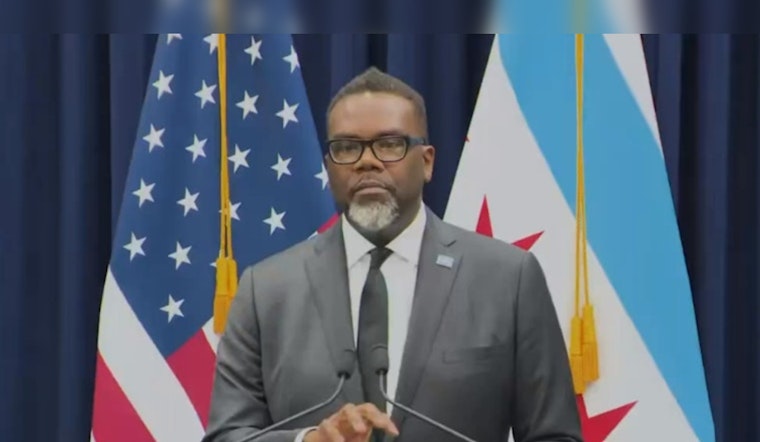
Chicago Mayor Brandon Johnson's ambitious proposal to borrow $1.25 billion for affordable housing and economic development draws a mixed bag of reactions. On one hand, there's cautious optimism from some city alderperson and housing industry organizations. On the other, concerns over transparency and unchecked spending are causing some city officials to hesitate. The funds are destined to boost neighborhood grants, small business support, job training, and housing, as a recent Sun-Times report detailed.
During a public hearing, officials like Jill Jaworski, the mayor's chief financial officer, defended the plan. Jaworski assured that this move won't destabilize the city's capital improvement plan or its ability to service existing debt and fund pensions. Despite a nudge from some alderperson for greater control over the allocation of funds, city officials maintain the bond funds would be legally restricted to uses outlined in the ordinance, as reported to the Sun-Times. They also argued that the city is at an inflection point with 47 TIF districts set to expire, positing a chance to direct resources towards growth-inducing investments.
According to the proposal, outlined in WTTW News, transitioning away from tax-increment financing districts, the city could create a more equitable and flexible funding pool. The Planning and Development Department views this as a chance to address long-standing disinvestment in Chicago's vulnerable communities, leveraging the expiration of TIFs as a unique opportunity for redevelopment.
Ald. Bill Conway (34th) shared his "grave concerns" for what he perceives as a potential for unchecked authorization of such significant spending. The skepticism isn't just about the financial outlay; it's also tied to voter sentiment signaled by the defeat of the Bring Chicago Home referendum. The divergent views have thus far prevented Finance Committee Chair Ald. Pat Dowell (3rd) from signaling when a vote might be held. Amidst the deliberations, Johnson's administration insists the plan will still require alderperson oversight over new programs, setting a stage for potential political showdowns as outlined by WTTW News.
The proposal is a testament to Johnson's campaign promise to shift the economic trajectory of Chicago by investing in people and neighborhoods without additional tax burdens on residents. This initiative is touted as a pathway to making Chicago more vibrant and attractive for residents and businesses alike. Yet, as the details and debates unfold in City Hall, its fate hangs in the balance of the political debate and the quest for fiscal responsibility.




