

























































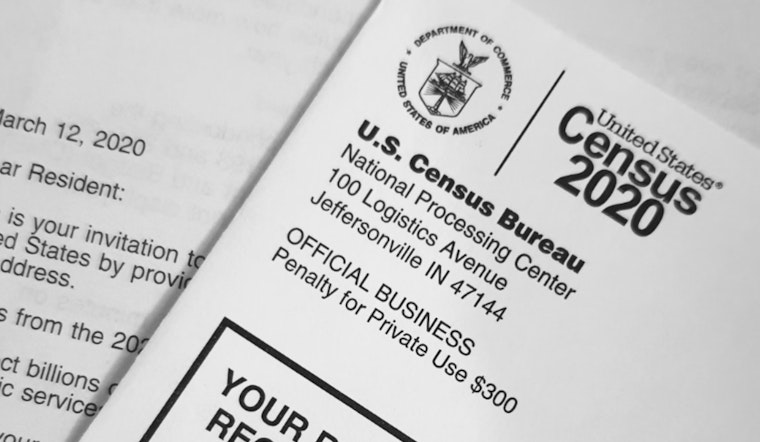
Detroit is taking the feds to court again, claiming that the census numbers are nothing short of an underestimation disaster. The city filed a federal lawsuit on Thursday, this time accusing the Census Bureau and the Commerce Department of not just getting their numbers wrong but also systematically undercounting residents, especially in Black and Hispanic communities, reported The Detroit News.
Mayor Mike Duggan's administration is not backing down, rather doubling down on their accusations that the federal officials use a "fundamentally flawed formula" that doesn't fit the bill when it comes to the complexities of urban housing in older cities. The city claims it has been particularly penalized for its initiative to demolish abandoned structures, which the feds have incorrectly translated into a population loss, according to The Detroit Free Press.
At the heart of the lawsuit is an algorithm that seems to equate demolished houses with vanished households, a calculation that Detroit claims fails to account for the city's efforts and success in revitalizing many of these properties. According to The Michigan Chronicle, Detroit argues that this method systematically undercuts its population numbers, leading to a significant shortfall in federal and state funding and a false narrative of the city's decline.
In details obtained by The Detroit News, the city has presented hard numbers to prove its case, including data on new construction permits, compliance renovations by the Detroit Land Bank Authority, and increased postal service addresses. The Census Bureau did make some adjustments, increasing the city's population estimate by several thousand, but Mayor Duggan says it doesn't go nearly far enough in capturing the city's true population.
Mayor Duggan famously referred to the Census Bureau as a "complete national clown show" last year, suggesting that the Bureau was not seriously taking the signs of Detroit's growth – a sharp contrast to the decrease in population numbers reported by the agency. "We knocked down 2,500 vacant houses and we had 2,000 rehabbed vacant houses. The Census Bureau took those to mean 6,000 families are leaving and didn't count the ones that stayed," Duggan said at the Detroit Policy Conference in January, in a statement obtained by The Michigan Chronicle.
The legal tussle goes beyond the numbers. It brings to the fore the broader issue of federal recognition and support for cities like Detroit, which are working hard to not only turn their fortunes around but also to ensure that the narrative of decline is replaced by one of resilience and growth. Detroit's battle is therefore not just for getting its numbers right but for the respect and equitable treatment it argues it's due.





