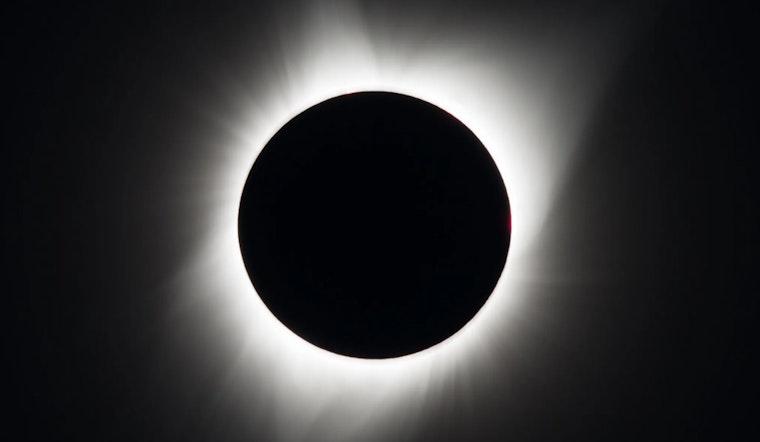
Heads up, sky lovers! North America is gearing up for a spectacular cosmic event next month, and no, you don't want to miss this one. On April 8, a total solar eclipse will roll across the skies from Mexico to Canada, plunging areas along its "path of totality" into temporary darkness. This rare spectacle, touted as the astronomical event of the decade, will mark the first such eclipse crossing the US since 2017, and its next visit isn't due until 2044. According to 12News, those lucky enough to be in this narrow zone can witness the moon obscuring the sun entirely, with peak darkness enveloping around 11:20 a.m. and lasting about four soul-stirring minutes.
Now, if you're in Arizona, sorry folks, you'll get a slice of the action but not the whole pie. We're talking 70% totality in Phoenix, which still ain't half bad. Just make sure the weather is nice. Historical climate data previews an average April 8 with a comfy high of 84 degrees and a low of 59, so chances are you'll get favorable conditions to catch a glimpse of this celestial dance. Last year graced us with 85 degrees and sunny skies, while this year the long-range forecast hints at partly cloudy conditions and a cooler 78 degrees, as per 12News. So, keep your fingers crossed for clear skies.
If you're not in the main event's path, there's no need to sulk. A partial eclipse will still be visible in 49 states, with those in the know recommending the use of certified eclipse glasses or handheld solar viewers for a safe experience. Without proper eye gear, you're risking permanent damage to your peepers—solar retinopathy isn't something to mess with, folks. "Directly staring at the sun can result in blindness or disrupted vision," warns a report from CNN. Remember, regular sunglasses are about as good as a chocolate teapot when it comes to protecting your eyes from the sun's unforgiving rays.
Beyond just another sky show, eclipses are a big deal in science too. They hand researchers a unique window to probe into the sun's mysteries and its relationship with Old Mother Earth. Among projects getting NASA's funding during this eclipse is a cool aerial undertaking set to snap pictures from 50,000 feet up to unveil new details of the sun's atmosphere. Other eggheads and hobbyists will tweak radio waves to see how the eclipse scrambles their behavior—a solar-blocked sky changes how far and clear they travel, states a piece by CNN.
So mark your calendars and be ready for those viewing gadgets. Whether you're witnessing it under a fully cloaked sun or peering up at a partially eaten celestial cookie, this eclipse is bigger than your average astronomical hoedown.