

























































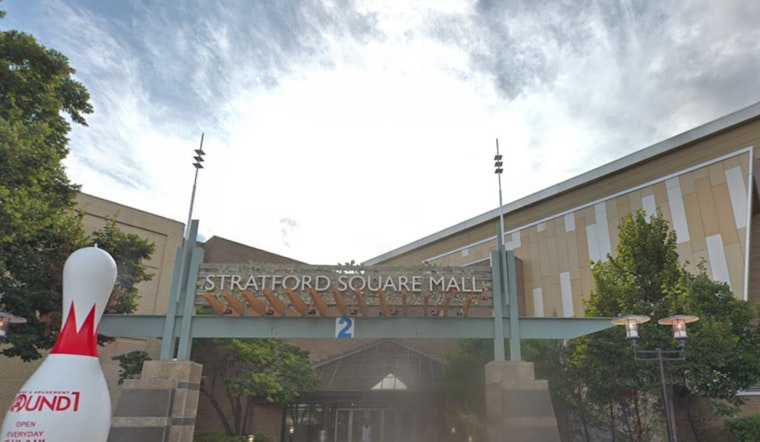
The once-thriving Stratford Square Mall in Bloomingdale, Illinois, is set to close its doors permanently on April 21, succumbing to the economic shifts that have taken down numerous shopping centers across the nation. According to a statement from the Village of Bloomingdale, after failed collaborations with the mall's owner, the municipality stepped in and consolidated the property with plans in place for a major redevelopment project into a mixed-use hub featuring dining, entertainment, housing, and public spaces.
This closure comes amidst various outcomes for suburban Chicago malls, with some like Spring Hill Mall shuttering while others, including Westfield Old Orchard and Woodfield Mall, are undergoing expansions; Westfield Old Orchard is set to break ground on a lavish redevelopment with luxury apartments and retail fronting an outdoor park due for completion in early 2027, and Woodfield Mall has welcomed a number of new pop-up stores along with a permanent Radio Flyer outlet and a Dave & Buster's opened earlier this year, changes coming as the retail landscape continues to morph at breakneck pace amid buyer's evolving habits and preferences.
Meanwhile, the Oakbrook Center Mall has morphed into a Sony Motion Pictures' entertainment venue, Gurnee Mills is anticipating the summer arrival of Round1 Bowling & Arcade, and Deer Park Town Center is expanding with new stores and restaurants throughout 2024, indicating an appetite for diversified mall experiences. According to a report by WGN-TV, The Village of Bloomingdale, which has been purchasing parts of the mall over a period, acquired the last segment in early 2024 and with the final closure, officials plan to move forward by demolishing the outdated structure to pave the way for the upcoming rejuvenation project.
Yorktown Center in Lombard isn't being left behind either; their redevelopment plan includes welcoming Dave & Buster's, Tapville, and Popeye's Louisiana Kitchen to their mix of offerings in 2024—in a time where retail giants are becoming relics of the past, these innovative moves mark a significant shift towards multi-purpose developments aimed at providing community-centric environments over traditional shopping experiences.





