

























































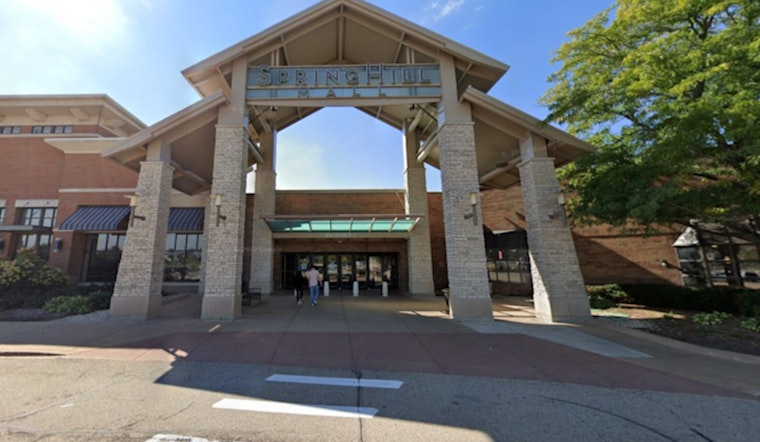
The final chapter for Spring Hill Mall in suburban Chicago was penned this past Friday, as longstanding retailers shut their doors and blank storefronts signaled an era's end for the shopping center that has graced West Dundee and Carpentersville since 1980. In a shifting retail landscape that has witnessed the decline of traditional malls, the New York-based Kohan Retail Investment Group, which owns Spring Hill Mall, decreed March 22 as the cutoff for tenant operations, a move outlined in a February 21 letter addressed to the store owners, a closure that left many seeking new premises.
The 100-acre complex is poised to undergo a reimagining at the hands of local governance. West Dundee has procured the property for a sum of $7 million, following previous purchases of the former Sears and Macy's buildings totaling $3.25 million, according to NBC Chicago. With the mall's closure, Mayor Chris Nelson envisions a pivot towards mixed-use development steeped with residential elements, laid out with roads and sidewalks to cultivate a neighborhood atmosphere although redevelopment discussions are in their infancy. Nelson projected a potentially extended timeline spanning five to ten years with demolition efforts possibly commencing within the next year or year and a half, according to an NBC Chicago report.
However, Kohl's and the Cinemark Theater remain operational, tethered by separate ownership and long-term lease agreements. While most of the mall falls under West Dundee's jurisdiction, a portion extends into Carpentersville, where officials have extended a hand to displaced businesses, urging them to contact the community development department for potential relocation assistance in the area, as was mentioned in statements obtained by NBC Chicago.
The village of West Dundee promises to keep community interests at heart while it navigates the considerable task ahead, an initiative echoed by Nelson, who expressed commitment to positive redevelopment, even as developers are already lining up with interest, the mayor told NBC Chicago. Once a bustling junction of commerce, with anchors like Marshall Field & Co. and Sears as well as a thriving food court, the mall's downturn mirrors the broader decline facing enclosed malls, as consumer preferences have gradually shifted away from the mall experience.
Spring Hill Mall's closure not only marks the culmination of one community's shopping locus but stands as a microcosm for similar urban developments facing restructuring nationwide, as detailed in historical commentaries and the ultimate plan of action established by village officials, the detailed account of which was provided by The Chicago Tribune. The development timeline, plans for public input, and the potential for new business growth continue to form the narrative of an area on the cusp of reinvention.





