

























































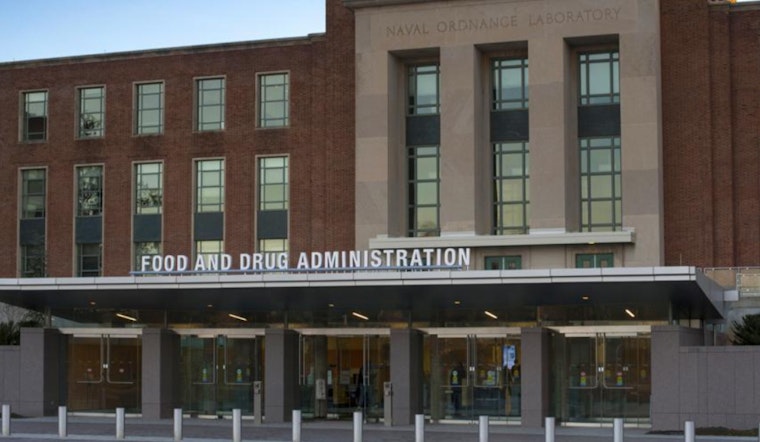
In a bold move by the U.S. Food and Drug Administration (FDA), a proposal has been set forth to impose a ban on electrical stimulation devices (ESDs) used for curbing harmful behaviors among the disabled. These controversial devices, which discharge electric shocks through skin-attached electrodes, have long been the subject of scrutiny over their ethical and health implications.
The FDA's decision targets ESDs designed for individuals who exhibit self-injurious or aggressive behaviors, a group which often includes those with intellectual or developmental challenges. An agency release explained that these devices, "present an unreasonable and substantial risk of illness or injury." Despite the proposed prohibition, it is worth noting that only one facility, the Judge Rotenberg Education Center in Canton, Massachusetts, is known to use such devices currently, affecting an approximate 50 individuals with treatment plans that include, or potentially include the use of ESDs, according to FDA.gov.
Risks associated with ESD use extend beyond the physical, such as pain and burns, to psychological issues like depression, anxiety, and the possible eruption of post-traumatic stress disorder. With a broad spectrum of hazards, and having reviewed new data since their last attempt at regulation, the FDA stands firm on their assessment of the inherent dangers posed by these devices.
This is not the FDA's first foray into regulating ESDs; an initial ban from 2020 was rescinded by a court, challenging the FDA's authority under the Federal Food, Drug, and Cosmetic Act (FD&C Act). However, changes in legislation have since clarified that the FDA does possess the authority to execute such a ban. "Since that decision, changes to the FD&C Act make clear that the FDA has authority to issue a ban such as the previous ban on ESDs for self-injurious or aggressive behavior, which applies to specific intended uses," cited the agency's announcement.
The current proposition — which excludes aversive conditioning devices for other applications, like smoking cessation — will be open for public comment until May 28, 2024. Post commentary period, the FDA will deliberate the feedback and determine the feasibility of implementing a final rule. Individuals and organizations with stakes in the matter are urged to contribute their perspectives during this public commentary phase.





