

























































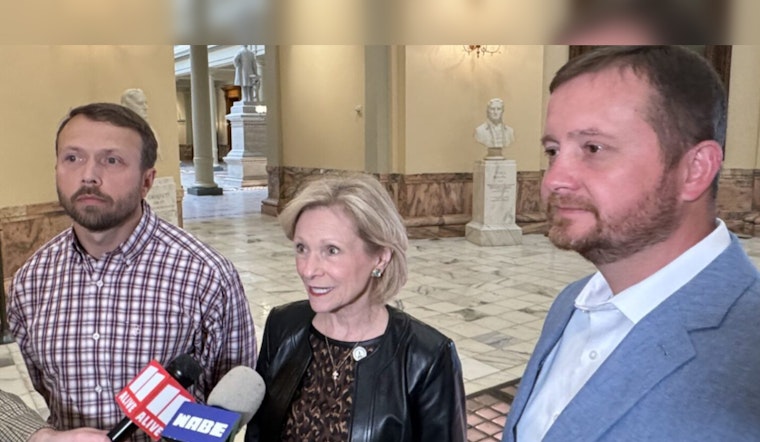
Time is running out for wrongfully convicted Georgians seeking compensation from the state as the legislative clock ticks down. In a story fraught with hardship and years lost, individuals like Lee Clark and Joey Watkins watch the sands of opportunity slip away as state legislators in the Senate Appropriations Committee hold the fate of their financial recourse in their hands.
Lee Clark, released from prison in 2022 after a wrongful conviction for a Floyd County murder took away 25 years of his life, is back in the working world. According to a report by WABE, Clark, now doing drum maintenance at Pirelli Tire for a wage barely above the minimum, says, "Twenty-five years of my life is gone. I can’t get that back." With the state's compensation proposal offering a possibility of $1.8 million, Clark expressed, "Without (the compensation), I ain't got no future."
Another man clinging to hope for state recognition of the injustice he suffered is Joey Watkins, exonerated after over two decades behind bars for a murder he did not commit. Watkins shared his plight of an absence of a tax history, thwarting his aspirations of opening a used car business. "Please, please look at it," Watkins urged, as related by WABE. "We’re just asking for help,” he said, underlining his quest for more than just money – for acknowledgment and support after the state's grievous mistake.
The tales of Clark and Watkins represent but a fraction of the stories emerging from the shadow of Georgia's legal system. Proposals for compensation are stuck in limbo as the legislative deadline looms. Rome Republican Rep. Katie Dempsey, sponsor of the resolutions for Clark and Watkins, has faced unease among lawmakers, some of whom prefer to act as "the jury and the judge to retry the cases," despite the longstanding errors now evident. Moreover, a bipartisan group of House lawmakers has implored the Senate to take decisive action before these men’s chances for justice perish.
The Georgia Innocence Project played a pivotal role in the exoneration of these individuals, alongside law firms such as Nelson Mullins and Troutman Pepper, who waged the battle against wrongful convictions. As the legislative window closes, these resolutions, ensnared in political purgatory, reflect a broader struggle for accountability and remedy in a system that often seems indifferent to its own failings.




