

























































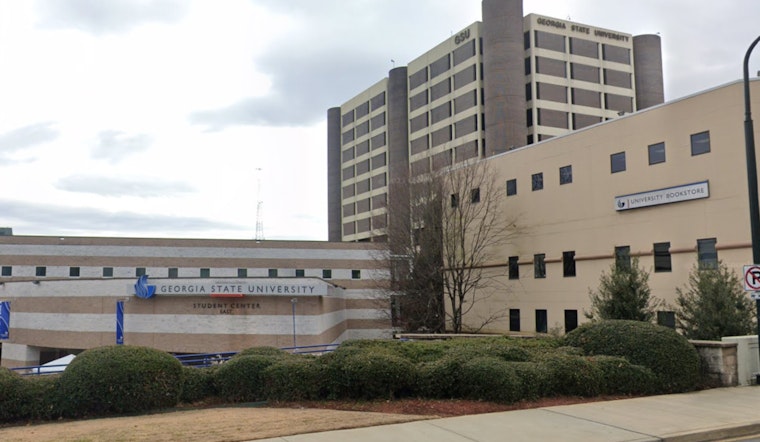
Georgia State University’s decision to phase out its Prison Education Project (PEP) has become a source of contention amid concerns over budget cuts and educational gaps for incarcerated students. According to university officials, the PEP, which has been offering college courses to inmates since 2016, is falling victim to a $24.4 million budget shortfall in the fiscal year 2024, with more financial hurdles expected in 2025. WSB-TV reported on the program's sustainability challenges, highlighting that GSU will not seek the Federal Prison Education Program designation, which is necessary to continue the initiative.
Despite drawing on a combination of federal and private funds, the PEP has to struggle to prove its value as it competes for resources within an environment where expenditures constantly need to be justified and cutbacks are the order of the day. "The students have Pell grants. So, tuition is not an issue. Their tuition is paid by federal funds. And the director of the program had been securing grants, so we also had grant funding," Dana Wiggins, a professor on the project, told FOX 5 Atlanta. Even with such funding in place, the university cited ongoing, complex accreditation requirements as another reason for the project’s shutdown.
Georgia State University has assured that the inmates currently enrolled will be able to finish their terms, which could take up to two years. Amid the disruptions, the university is also considering alternative avenues to support educational needs. "Discussions with our donors are underway to establish a new program catering to Georgia State students who have a personal experience with incarceration, either directly or through a parent or guardian," the university stated according to WSB-TV.
The program's closure is not just about numbers; it's also about the impact. Jason Dolensek, a former student of the PEP who is now an engineer and public speaker, expressed his distress over the program's end, saying, "Do you want us on the correct path with support, with goals, ambitions and everything else? Or do you want us to get out aimless with no support, not knowing what to do and how to go forward?" he posed to FOX 5 Atlanta. In response to the imminent closure, faculty and students engaged with PEP have launched a petition to save the initiative, underscoring its role as a critical equalizer in the realm of justice, as well as an avenue for meaningful change and rehabilitation.



-4.webp?w=160&h=400&fit=crop&crop=edges)
