

























































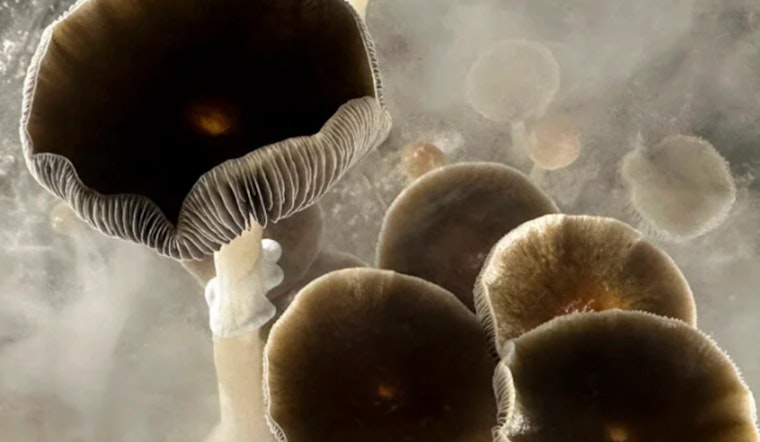
Psychedelics, long tied to the '60s counterculture, are now being eyed by some as a potential tool in battling addiction. Mark Guckel, a former crack addict turned recovery coach, shared his transformational experience with substances like ayahuasca and psilocybin during a Harvard Law School sponsored panel, "New Ideas for Substance Use Condition Treatment: Could Psychedelics Help?" He cautiously noted that while psychedelics have been beneficial for him, they're not a panacea for addiction, as reported by the Harvard Gazette.
"They are catalysts. They’re sacraments, they’re medicines, they’re tools. They’re one of many pathways," Guckel told the Harvard Gazette, underlining that these mind-altering substances should be considered alongside a range of existing treatment options. Despite therapeutic potential, psilocybin and ibogaine remain federally illegal outside specific research exceptions. This legal gray area raises questions about psychedelic-assisted recovery's broader application.
America is grappling with a substance use epidemic, with 17 percent of its population meeting the criteria for a substance use disorder, yet less than 10 percent actually receive treatment. Stephanie Tabashneck, at the same panel discussion, highlighted this treatment gap and questioned the effectiveness of current approaches—a situation that might leave room for psychedelics to offer an alternative remedy.
However, the panelists, including neuroscientist Deborah Mash, voiced concerns. Mash, who has studied the effects of ibogaine on addiction for over three decades, stressed that psychedelics are not suitable for everyone, potentially posing health risks for those with certain psychiatric conditions. "We want these molecules to be used in a medical way by qualified clinicians and therapists who understand these types of therapies and how they can work best," Mash explained to the Harvard Gazette, arguing against self-medication.
Legal hurdles persist, with panelist Mason Marks, a visiting professor of law at Harvard Law School, touching on the decriminalization efforts in cities and states. Marks pointed out that ibogaine has been linked to heart-related health issues and remains unstudied clinically in the U.S., while psilocybin is slated for state-regulated programs in Oregon and Colorado. "In light of the federal illegality of psilocybin and ibogaine, there are many unresolved legal questions, some challenging legal questions and questions of potential liability, as well for licensed healthcare professionals who choose to get involved in these programs," Marks said during the panel. Notwithstanding the growing interest, calls for evidence-based research to validate psychedelics' efficacy and ensure safe, regulated application go on.





