

























































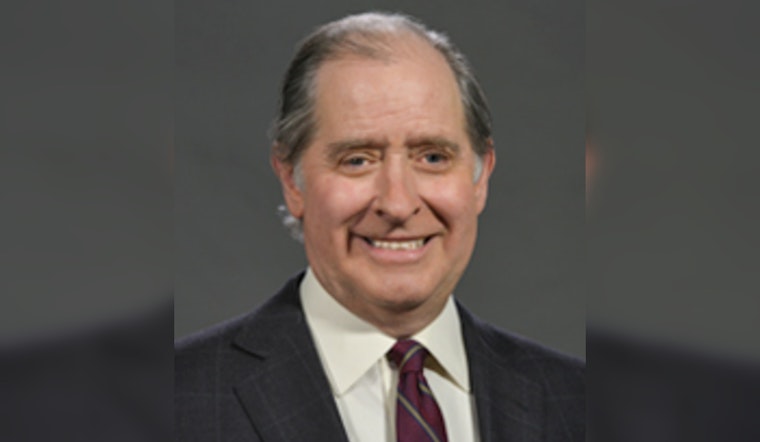
The Twin Cities are gearing up for a major overhaul by 2050, with plans to enhance parks, transportation, and water systems—pitching a major upgrade for residents’ future living conditions. According to the Metropolitan Council, Chair Charlie Zelle spearheaded the ambitious "Imagine 2050" regional development guide during the State of the Region event. The vision involves widespread talk about the Twin Cities, calling on regional officials to band together for a prosperous, equitable, and resilient tomorrow.
In the words of Zelle, the task ahead is no walk in the park. "It's hard work," Zelle said. "But I know everyone in this room is up for the challenge. We can't just imagine. We also have to 'do.'" Strategizing over regional planning guides that come out every decade, the Met Council is knee-deep engaging communities to plan out the 2050 prospectus. The Imagine 2050 plan encompasses housing, transportation, wastewater treatment, regional parks, and clean water supply, ensuring the next generation doesn't run dry.
Moreover, the Met Council event was not just a one-man show. High-ranking municipals such as Met Council Vice Chair Reva Chamblis and Regional Administrator Ryan O’Connor, lent their voice to the cause. Emphasizing on collective responsibility and partnership, these regional powerhouses highlighted core values that they believe should drive the plan, notably equity, leadership, accountability, and stewardship.
The call to public participation is in full throttle for the Imagine 2050 plan, set to hit the public domain for comments by this summer. The marathon of regional engagement will continue throughout 2024, with Zelle counting on every stakeholder to pitch in. The Metropolitan Council, flanked by personalities like Hopkins Mayor Patrick Hanlon and a panel of regional luminaries, including Ramsey County Commissioner Mary Jo McGuire and Woodbury Mayor Anne Burt, deliberated their expectations for 2050 which was moderated by Tane Danger, a well-known local speaker, and emcee.
This regional confab took place at the Hopkins Center for the Arts, within a shot's reach of the METRO Green Line Extension project— a harbinger of regional transformation investment. Few can argue that the Imagine 2050 scheme is anything but a blueprint for a future Minneapolis-St. Paul could not only top charts in livability but also set a benchmark for urban development across the United States.





