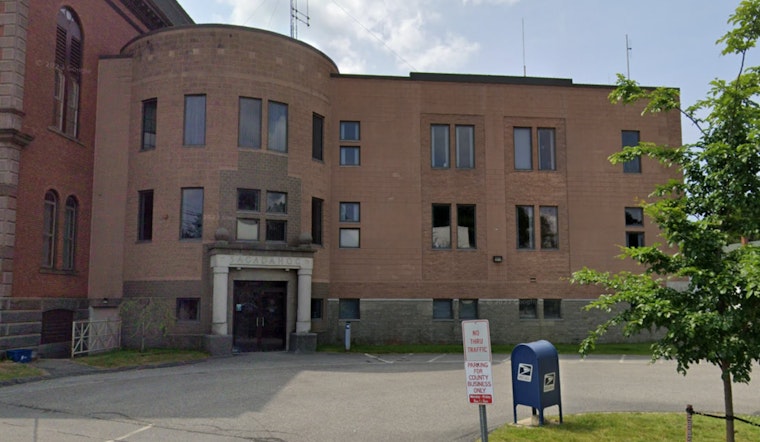
An independent commission found that the Sagadahoc County Sheriff’s Office had ample opportunity to prevent a mass shooting in Lewiston, Maine, that claimed 18 lives last October, a scathing discovery that points to a serious lapse in law enforcement intervention. According to the Boston Globe, the commission asserted the sheriff's department had probable cause to place Robert R. Card in protective custody and remove his firearms, a month before the attack using Maine’s "yellow flag" law, designed to disarm those who may pose a risk to themselves or others.
The charges laid out in the 30-page interim report by the commission, which was unanimously critical of the Sagadahoc County Sheriff's Office's inaction, and the US Army Reserve's response to Card's concerning behavior, a finding that directly contradicts earlier claims by the department that it acted reasonably under the circumstances at the time, detailed by the KTVQ report. Family members had raised alarms about his deteriorating mental health and growing arsenal, but the deputies, having heard movement inside his home during a welfare check on September 16, left without seeing Card.
The breakdown in police response was particularly scrutinized as Sgt. Aaron Skolfield’s decision not to take further action facilitated a tragic outcome, Skolfield had enough information to start the "yellow flag" process, but the commission found, that Card had shown serious signs of mental illness been hospitalized, and had threatened to commit shooting, however not only did Skolfield not pursue the matter he left the responsibility to remove the firearms to Card's family, according to the Globe interview with the commission. In addition, Jeremy Reamer, a captain in Card’s Army unit, was criticized for not relaying the concerns of mental health professionals about Card's weapons at home.
Responses to the interim report are a mix of appreciation for its thoroughness and frustration with the shortcomings it reveals, The victims' attorney Travis Brennan expressed his appreciation for the findings but noted the report's limited scope and awaits further investigations; Benjamin Gideon, another attorney for the victims, voiced concern over the practical application and effectiveness of the existing “yellow flag” law, pointing to its complexity and over-reliance on police discretion. Meanwhile, the report has validated the worst suspicions of families like Leroy Walker Sr., who lost his son in the attack, with his statements to the Globe conveying a portrait of a community still reeling from loss.