

























































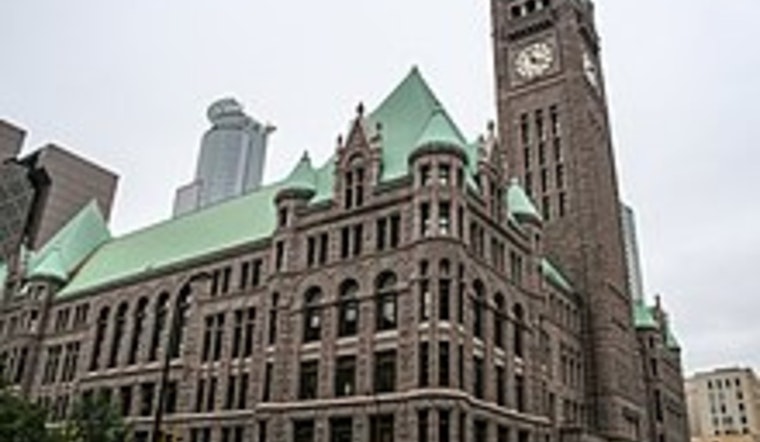
In a determined move to shore up fair labor standards, the Minneapolis City Council is steadfast in the face of Uber and Lyft's threats to pull out of the city ahead of a new rideshare minimum compensation ordinance that could prompt their departure. Council Member Robin Wonsley confidently voiced the city’s stance, stating, "There is no reason that we should exempt billion-dollar tech companies from our local minimum wage." Indeed, as reported by the city's bulletin, the ordinance is set to ensure rideshare drivers earn a minimum wage, counteracting the longstanding narrative that the gig economy is the Wild West where anything goes with working conditions and pay.
Despite prospects of Uber and Lyft reducing service or exiting the market come May 1, several contenders are lining up to take their place, including startups and established companies from other cities. Misplaced in the efforts to promote accessibility and equity, the Council is also reaching out to MetroMobility and their on-demand taxi service, which caters to riders with disabilities, offering $5 rides that can be hailed without pre-booking. According to a recent update from Council Member Wonsley, this move is part of a broader plan to reinforce the market for rideshare companies committed to non-exploitative labor practices.
Coordinated with the Minnesota Department of Labor and Industry, Minneapolis is striving to fine-tune compensation rates, intrinsically linked to data and unbiased analysis rather than political pressure. This collaboration underscores the city council's commitment to grounding policy decisions in local data, despite Republicans at the State Capitol pushing for preemption which Council leadership fears might undermine the specific needs of local governance.
Apart from the tumult in the transportation sector, Minneapolis is also grappling with a backlog of police misconduct cases. A planned contract with Wiley Reber Law PC, aimed at chipping away at these pending investigations, was delayed to April 9th, as stakeholders sought clarification about potential issues linked to unclear authority lines. This development, captured in the City Hall's announcements, reveals a local government attempting to cautiously navigate uncharted waters of police reform, with the hope of preserving accountability and trust within the community it serves.
While facing these urgent and complex challenges, the Council is not taking a myopic view. Council Member Wonsley spoke at various community events, emphasizing the importance of inclusivity and solidarity, from addressing local neighborhood priorities to extending support for international humanitarian causes such as the crisis in Gaza. Her involvement in progressive panels and international advocacy underscores a commitment to not only troubleshoot at home but also to champion global justice far beyond Minneapolis' borders.





.jpg)