

























































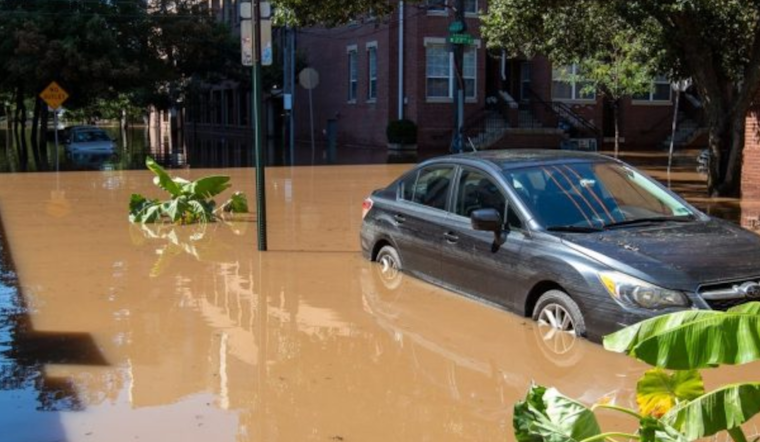
The city’s Office of Emergency Management (OEM) is sounding the alarm: flood season is upon us, so it’s time to batten down the hatches. But don't just sit there waiting for the waters to rise. You can take practical measures to keep your feet—and your belongings—dry.
First and foremost, flood insurance is a must-have, as per the folks over at OEM. Even if your pad isn't perched by a picturesque river or a creek, the surge doesn't discriminate. As the City of Philadelphia's website bluntly says, "even homes that are not near a river, lake, or creek can be at risk for flooding." Don't be caught off guard; standard property insurance often skips over flood damage. Visit FloodSmart.gov and don't wait around—policies take 30 days to kick in.
FEMA's Flood Insurance Risk Maps (FIRM) is your go-to guide for mapping out areas with a 1% annual flood chance—that's the so-called 100-year flood for the statisticians among us. They're your regulatory lifeline, but remember that not all flooding sources are on their radar.
When the storm’s brewing, don't just twiddle your thumbs. Start by lifting your electronics and valuables—preferably to higher ground to avoid the dunk. According to the OEM's advice, "Flooding has the potential to destroy valuable items that you may need after a flood." Clearing storm drains and gutters can lessen the deluge, and shifting your wheels from flood-prone spots might save you from an unexpected carpool with actual water.
If the worst does happen and your abode takes a hit, get your ducks in a row for the insurance claim. You'll need a list of damaged goods with the when, what, and how much they cost—receipts if you got 'em—and don't forget photos or videos as proof. The city's guidance highlights, "You will need evidence of the damage to your home and possessions to prepare your repair estimate." Save those receipts from emergency purchases and keep tabs on temporary housing or dining costs. They might come in handy later.





