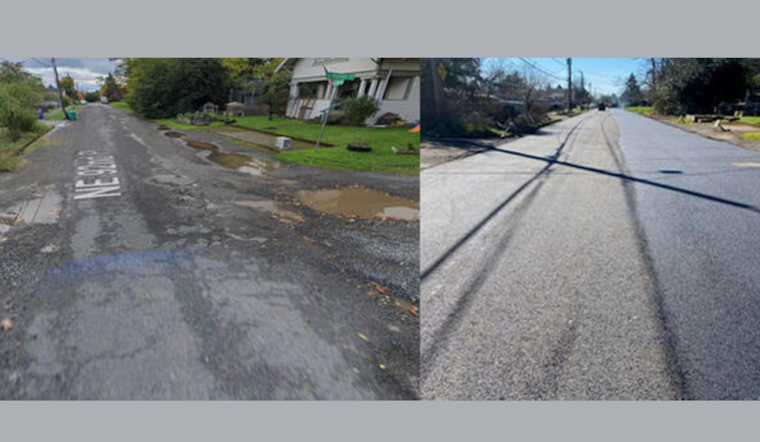
In an all-out blitz to mend the tattered streets of East Portland, the city's 'March Madness' crusade heralds a win for the community. In just two weeks, Portland's transportation workers hustled to patch up 1,800 potholes, reclaiming the drivability of 77% of the area's thoroughfares, according to the City of Portland, Oregon.
Significant winter storms dealt a harsh blow to Portland's roads earlier this year. The aftershock brought on a pothole pandemic, inciting the local government into swift action. Streets were rehabilitated extensively, with crews mending over 1,000 lane miles—a substantial 21% of the city's total 4,900. Following a public plea from the Portland Bureau of Transportation (PBOT), residents bombarded the hotlines, with call volumes swelling to thrice the typical amount. An overwhelming 800 pothole complaints rolled in, accelerating the urgency of repairs.
It wasn't just a responsive strike; the strategy was marked by hands-on proactivity, too. PBOT personnel patrolled each city street in the affected sector, filling every crater they encountered. Transportation Director Millicent D. Williams lauded the crews, proclaiming, "Our fast-acting PBOT crews have delivered for the public yet again," in a statement obtained by the City of Portland, Oregon. The sentiment was echoed back from the community, with residents dishing out accolades for the much-needed roadway revamp.
Before the campaign, potholes had been a perennial nuisance, hindering drivers and cyclists alike. Typically, PBOT operates with just two crews dedicated to year-round pothole remedies. However, this concerted surge amplified their usual efforts, amassing seven teams fixated on pothole and road surface restorations. Especially east of 82nd Avenue—a region typically scant in public reports—their hands were full. Hundreds of potholes awaited them, and they tackled the task with a fifth crew addressing lingering complaints in other city zones. Additionally, larger milling operations were carried out by the final two teams, committed to pre-identified street sections that suffered the brunt of disrepair.
The result is nothing short of a swift transformation. Covering about 20% of the city's streets, PBOT's ambition was actualized under the weight of winter's wrath, a testament to the city's resilience and the Transportation Division's capacity to rise to a dire occasion. With potholes patched and asphalt smoothed, Portland's 'March Madness' repairs signify more than just street maintenance—it's a reflection of a city cared for and a populace prioritized.