

























































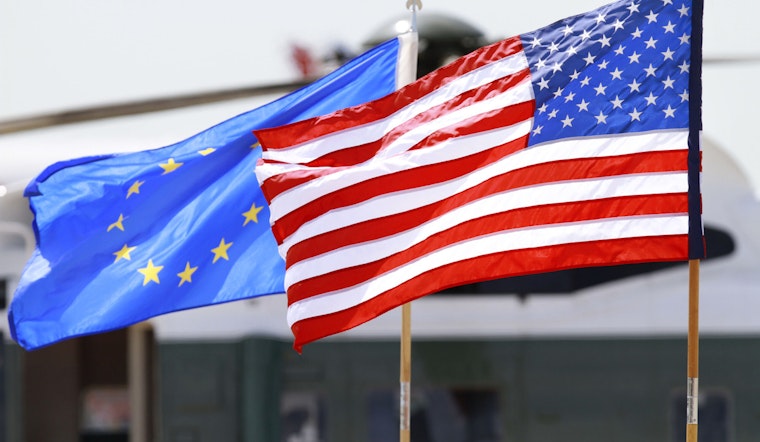
Transatlantic ties burned a little brighter as the U.S. and EU joined forces at the 11th U.S.-EU Energy Council in Washington, aiming their collective energy toward climate change and geopolitical tensions. The meeting, hosted by U.S. Deputy Secretary of State Kurt Campbell and European Commissioner for Energy Kadri Simson, didn't just offer handshakes but also hammered out commitments to energy security and emissions reductions, all under the looming shadow of Russia's aggression in Ukraine.
According to a recent statement released on the Department of Energy's website, the U.S.-EU Energy Council recognized the successful work ensuring almost full EU natural gas storage ahead of winter, in an attempt to cut Europe's Russian energy apron strings, these moves come alongside an ongoing effort to drive net-zero greenhouse gas emissions by 2050. The Council's high-fives weren't just for show—it welcomed Ukraine’s integration into the European energy grid and denounced Russia’s hold on the Zaporizhzhia nuclear plant which, it argued, jeopardizes regional safety.
On the Ukrainian front, the Council has rolled up its sleeves to fortify Ukraine against Russia's energy weaponization, according to the same Department of Energy source. Between military aid, humanitarian assistance, and energy sector support, it seems the West is rallying behind Ukraine not only on the battleground but also in the energy field, and additionally fostering the country's green recovery ambitions, as it strides toward EU membership.
The path to a fossil-free future is ridden with challenges, yet the U.S. and EU exude confidence, as manifested in their collective intent to replace coal with cleaner alternatives, lining up behind plans for a renewable energy boost and a conscious decoupling from risky, single-supplier dependencies, even as they simultaneously aim to put the brakes on Russia's ability to fuel its war machine with energy revenue. The gathering also underscored the crucial role of strategic partnerships for energy diversification, eyeing the Caspian and Black Seas, as well as North Africa for cooperative opportunities, a signal that the goal isn't just a green Europe, but a green and stable geopolitical landscape.
Not to be sidelined, technological innovation and joint energy policies also earned their place at the table. From emission standards to the promotion of hydrogen markets, the U.S. and EU are clear they're not just working to keep the lights on today but are investing in the energy security of tomorrow. The Council's road map also catches the latest wave of interest in nuclear power and critical minerals, underlining the need for allied nations to sail away from reliance on Russia and diversify their energy portfolios, while not forgetting the importance of a just transition that cushions the impact on affected communities.
With eyes set on a decarbonized horizon, the U.S. and EU seem ready to push full steam ahead into a climate-neutrality future. And as the world watches, it's the synergy of these transatlantic powerhouses that could flip the switch on a new global energy era—one that promises security, sustainability, and a solidarity that stretches from sea to shining sea.





