

























































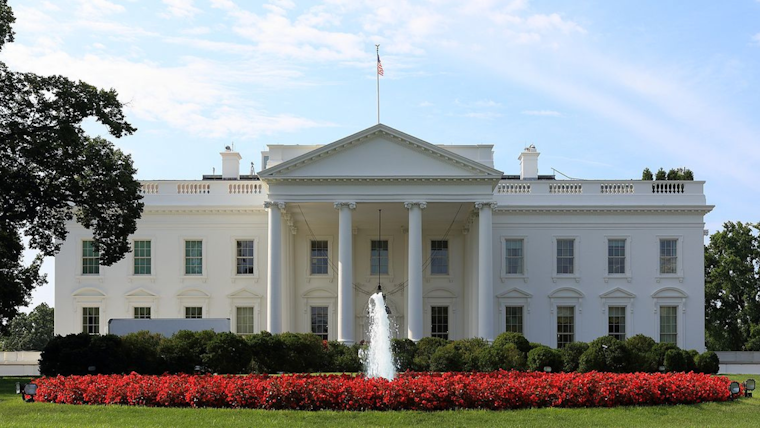
In a move that echoes fiscal austerity, the President has called for automatic spending cuts to be applied across various federal programs for the upcoming 2025 fiscal year—a process known as sequestration. Mandated by the Balanced Budget and Emergency Deficit Control Act, the order was published on the White House website, spurring concerns over the potential impact on an array of government services.
With the recent report from the Office of Management and Budget (OMB), handed to Congress on March 11, the President stipulated these measures would kick in on October 1, 2024 when the new fiscal year starts strict requirements will be followed in accordance with the Act, particularly section 251A which establishes the rules for implementing the spending reductions. The specified amounts are to be deducted from every non-exempt budget account, a decision that may lead to tightened belts across the federal landscape.
The full details of the reductions and their implications are not yet clear, however, the OMB's report is available for public scrutiny, providing a window into the administration's approach toward balancing the nation's checkbook in the face of burgeoning deficits. The intended budgetary constraints reflect an ongoing debate about the federal government's fiscal responsibilities and the trade-offs they entail.
Opponents of the order argue that the cuts could undermine critical public services including but not limited to healthcare, education, and environmental protection, as agencies struggle to adapt to a leaner flow of federal funds, meanwhile, supporters insist that fiscal discipline is essential to ensure the economic stability of the country—casting the sequester as a necessary albeit bitter pill to swallow. As the directives of the sequestration get underway, the contentious nature of spending cuts remains a pointed topic in American political discourse.
Further details regarding the specifics of the sequester are available on the official White House website, where the President's order lays out the impending financial constraints in black and white.





