

























































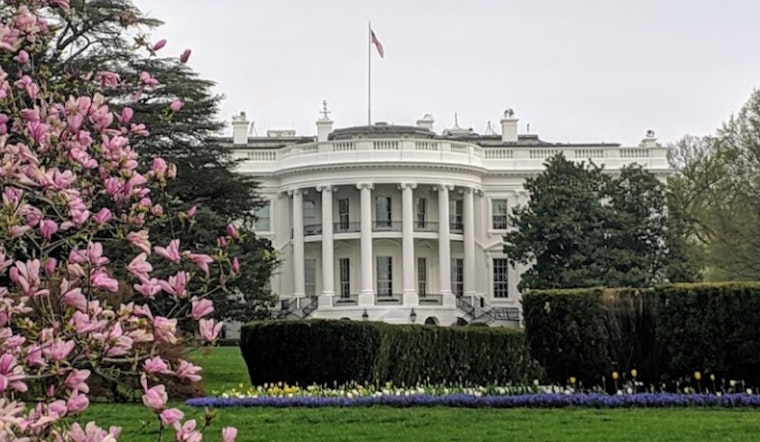
As of Saturday, the President put his signature on H.R. 4366, known as the “Consolidated Appropriations Act, 2024.” This new law is set to ensure funding through September 30, for varied departments and agencies that fall under six out of the twelve appropriations bills. This hefty legislation also carries Division G, which concerns itself with the continuation of existing authorities.
The fiscal package sees the light of day thanks to cross-party coordination, with commendations delivered from the highest offices to the movers and shakers on Capitol Hill. The White House press release acknowledged the leadership of Senate Majority Leader Chuck Schumer, Senate Minority Leader Mitch McConnell, Senators Patty Murray and Susan Collins, and on the House side, Speaker Mike Johnson, House Leader Hakeem Jeffries, and Representatives Kay Granger and Rosa DeLauro.
The passage of the "Consolidated Appropriations Act, 2024" is a significant move in a political climate where bipartisan agreements are as coveted as they are rare. The bill has skated through the particularistic demands and partisan divide, sealing a collective agreement on the nation's budgetary commitments. It's a financial roadmap that promises continuity and stability in government operations, averting the dire specter of a government shutdown, which, in past spectacles, has played out to the annoyance of the public and the detriment of many a federal employee.
Pundits are already parsing through the potential impacts of the act, scrutinizing how the allocated funds will trickle down into public services and initiatives. As per the norm, the devil will most certainly be found lurking in the details of these appropriations, with keen eyes watching how these funds address the prevailing winds and currents shaping the societal landscape. While acknowledgment is given to the bipartisan effort, the true merit of H.R. 4366 will manifest in the months to comes as programs roll-out and agencies put these budgetary promises to the test.





