A Quincy man with gang ties is set to spend the next 70 months behind bars following his role in a racketeering and robbery spree that plagued Boston's streets. Michael Nguyen, 23, known on the streets as "Asian," was handed the near-six-year sentence after pleading guilty last December to a RICO conspiracy charge and to threatening commerce via violence, according to the U.S. Attorney's Office.
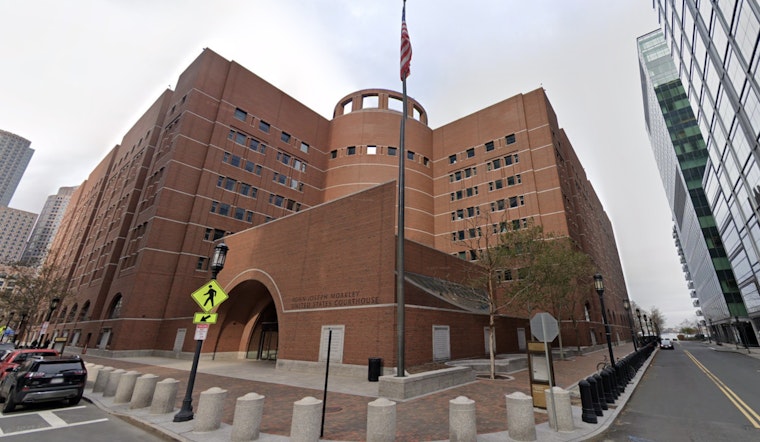
U.S. Senior District Court Judge William G. Young was the one to mete out the punishment that will be followed by a three-year term of supervised release. The prosecution revealed that as a part of the gang known as Cameron Street, Nguyen wouldn't hesitate to outright allegedly interfere in the turf of rival gangs, wielding the threat of violence as his calling card in the Dorchester neighborhood.
One particularly harrowing incident in July 2018 involved a home invasion masterminded by Nguyen and his Cameron Street companions, Brendon Amado and Deronde Bethea. The trio executed a terrifying break-in—masks on their faces, guns in hands—where they inflicted physical and psychological torment on the residents within. A victim had a firearm pressed to their head while these men demanded "where's the stuff, where's the money, where's your boyfriend?" This account, chilling in its brazen disregard for life, was laid out in court documents.
The aftermath of the robbery wasn't much cleaner—officers who pursued the crew's getaway truck ended with Nguyen eluding capture by a whisker, his identity later confirmed through phone records and a shoe left to tell the tale. Amado and Bethea didn't fare much better; their faces were caught on convenience store footage pre-robbery, effectively unmasking them in the process, and each has since pleaded guilty, set to be sentenced in May.
A myriad of law enforcement bodies collaborated in the investigation and arrest, including the Bureau of Alcohol, Tobacco, Firearms & Explosives, the Drug Enforcement Administration, and various police departments, as well as district attorney's offices across Massachusetts. This group effort underscored a coordinated push to dismantle the pillars of violence erected by gangs such as Cameron Street.
While Nguyen's conviction marks a win for the community terrorized by gang activities, the charges against his associates remain allegations until proven otherwise. Those accused still waiting for their day in court are cloaked in the presumption of innocence—a cornerstone of the legal system—until guilt is determined by the harsh light of justice. The trial's developments continue to capture Boston's wary attention, and the city waits to see if further recompense is on the horizon.