

























































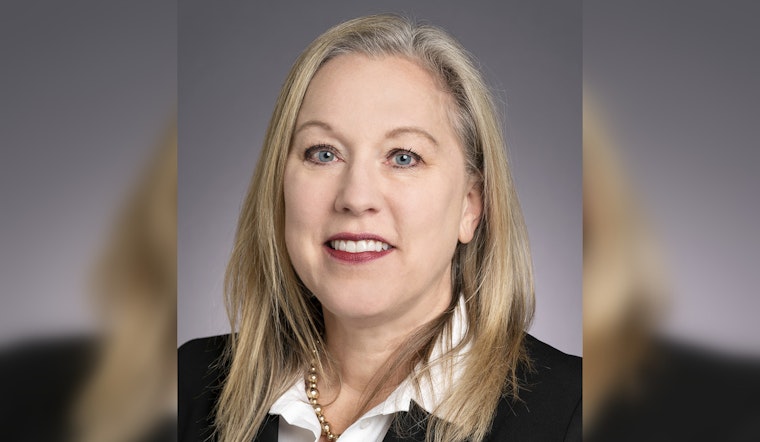
In a move to ease the bureaucratic burden for special education teachers, Senator Judy Seeberger has put forward a legislative proposal that could change the way physical education evaluations are handled in schools across Minnesota. Senate File 4212, a prudent measure introduced on March 13th aims to allow schools within her purview to independently conduct assessments for developmentally adapted physical education, sparing educators the oft-criticized slog of paperwork.
This initiative, Seeberger claims, is a sharp cut through the thicket of administrative red tape, which has long ensnared those teachers dedicated to the physical education of students with special needs, and is intended to unclog their schedules, Schools have labored under the weight of a process that has been deemed a cumbersome necessity for far too long is now poised for streamlining. The state's Senate Education Policy Committee opened the floor to discourse on the bill, laying it over for ongoing legislative finessing with the possibility of its inclusion in a larger omnibus bill at a later session.
"My colleagues and I are incredibly thankful for all of Minnesota’s special education teachers," Senator Seeberger stated, in a sentiment echoed by her legislative comrades and captured in a Senate DFL statement, "They sacrifice so much for the wellbeing of our family members, friends, and neighbors. We owe it to them to make their jobs as easy as possible." Her voice in the chambers that day resonated with a mix of gratitude and resolve, intent on forging ahead with the bill’s objectives and broader aims concerning special education reform.
With proponents vociferously praising the pedagogical passion of Minnesota’s educators nevertheless the Senator’s push for a more streamlined system, underscores a recognition of an oft-overlooked fact in the constant klaxon of educational debate, it is the teachers, in the trenches, navigating the dauntless complexities, who often bear the unwritten costs of intricate statutes and multifaceted policy. Seeberger's bill speaks not just to innovative legislative craftsmanship, but to the heart of educational stewardship. It's a deliberate stride towards honoring the commitment of those educators by unshackling them from the binds of procedural obligation freeing them to do what they do best – teach.





