

























































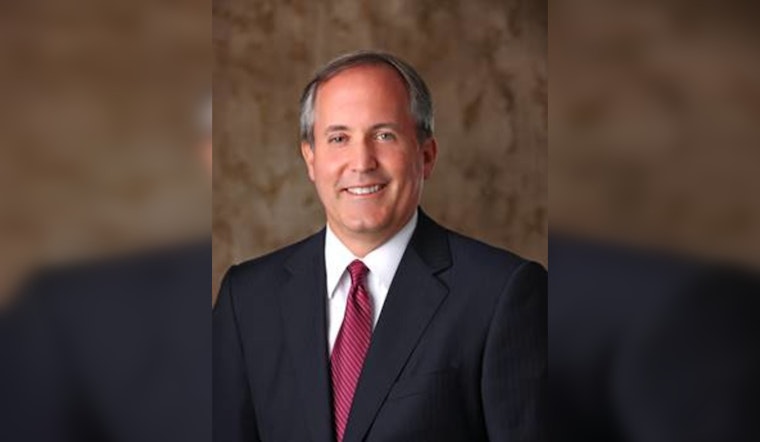
Attorney General Ken Paxton has clinched a temporary win for the state's new border security legislation, SB 4. The Fifth Circuit handed Texas an emergency stay on a district court decision that could have placed the law on hold, as described in a release from the attorney general's office. This development means the border security law is set, for now, to go into effect despite facing opposition that claims it oversteps state jurisdiction.
The federal government has been given seven days to seek a review by the Supreme Court of the United States. Echoing the sense of urgency, the Fifth Circuit Court has thus ordered the appeal to be expedited and argued immediately. This temporary relief enables Texas to continue to deploy its version of federal immigration law enforcement.
Attorney General Ken Paxton Secures Emergency Relief In Favor of Texas Border Security Law: https://t.co/WzYJbA2g3L
— Texas Attorney General (@TXAG) March 4, 2024
SB 4 reflects Texas legislators' response to what they perceive as a crisis at the U.S.-Mexico border, a situation they argue hits the Lone Star State harder than any other. The law criminalizes illegal entry and reentry into the country, which, according to the aforementioned attorney general's statement, mirrors federal law. It further grants state law enforcement the capability to detain individuals and order their return to their country of origin if they entered illegally.
This latest judicial maneuver kicks the fate of SB 4 up the legal ladder, leaving many to wait and see whether the Supreme Court will weigh in on the contentious battle. If it reaches the highest court, the implications could extend far beyond Texas, potentially altering current precedents of state involvement in immigration enforcement. With both critics and proponents of SB 4 standing their ground, the nation watches to see whether Texas has managed to carefully expand its authority to uphold border security or has overstepped into the purview reserved solely for the federal government.





