

























































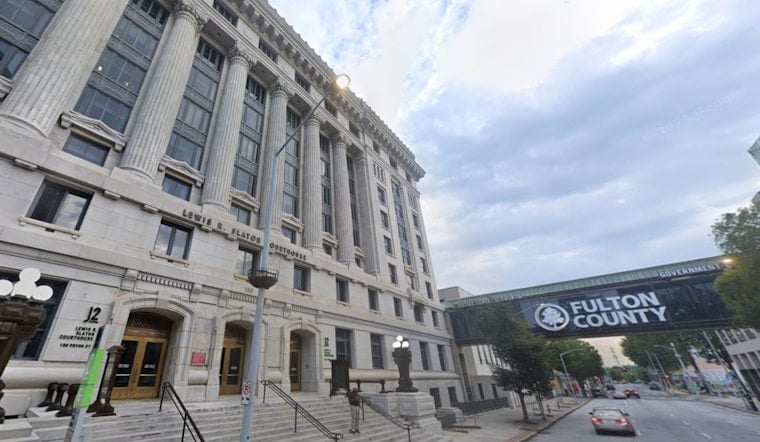
Former President Donald Trump's legal defense is mounting a First Amendment showdown in the Georgia election interference case, arguing the indictment threatens to unjustly penalize political speech. Trump's legal team insists that the charges against him stem from constitutionally protected activities, with his lead attorney, Steve Sadow, stating in court, "There is nothing alleged factually against President Trump that is not political speech." Sadow emphasized the importance of a sitting president's right to freely express election concerns, an argument that strikes at the core of U.S. democratic values.
Nevertheless, prosecutors are steadfast in their conviction that Trump's alleged actions overstep the boundaries of free speech. Prosecutor Donald Wakeford has argued that Trump's statements cannot hide behind the First Amendment, as they were said to be part of criminal conduct. According to a report by WABE, Wakeford claimed, "What he is not allowed to do is to employ his speech and his expression and his statements as part of a criminal conspiracy to perfectly violate Georgia’s RICO statute, to impersonate public officers, to file false documents, to make false statements to the government."
Co-defendant David Shafer, former state Republican Party chairman, also faces heavy scrutiny for his involvement in the casting of unofficial Electoral College votes for Trump while official results favored Joe Biden. His lawyer, Craig Gillen, vigorously contests the charges, positing that the actions were valid under the Electoral Count Act. Gillen urged the court to consider the legitimacy of Shafer's actions, given a pending legal challenge to the presidential election results at the time. Gillen's argument resides at the intersection of legal procedure and political maneuvering, where interpretations of the law directly impact the democratic process.
The case, laden with political drama and constitutional debate, revolves around the use of Georgia's anti-racketeering law against Trump and eighteen others as part of an alleged plot to overturn the state's election results. Charges span a myriad of alleged infractions, including impersonation and forgery. "Wooten opposed the move, saying 'every allegation in an indictment is a legal conclusion,'" an argument that seems to tightly insist that judicial scrutiny and prosecutorial assertion are intrinsically bound. Trump and the others have pleaded not guilty and are awaiting a trial date. Fulton County District Attorney Fani Willis has proposed starting the trial in August, amidst contentious proceedings that have already seen a handful of defendants reach plea deals, as reported by WABE.
Despite legal volleys between defense teams and prosecutors, six of the 41 counts in the indictment, including three against Trump, were recently dismissed by the court. The ruling hinged on the prosecutor's failure to adequately detail the alleged crimes, a setback that has momentarily pared down the legal complexities facing the defendants. Amidst allegations of impropriety against Willis and decisions potentially subject to appellate review, the case continues to unfold, carrying implications that reach far beyond the Peach State's borders, into the heart of American electoral integrity and constitutional law.




